
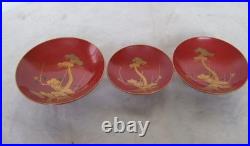
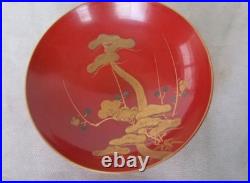
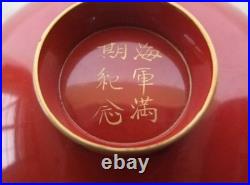
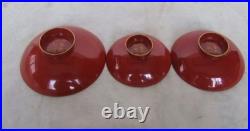

This is an original. Vintage Japanese lacquerware sake cup set. “Navy Service Completion Commemorative” item. During the pre-WWII Showa period. Inside the base of each cup, the original gold inscription reads. “Naval Service Completion Commemoration”. Indicating that this set was formally presented to commemorate the successful completion of naval duty. Historical Background (Easy to Understand). Compared to the Imperial Japanese Army, the. Japanese Navy had far fewer personnel. And naval service carried a significantly higher risk due to maritime operations. Completion commemorative items from the Navy are considered particularly scarce today. These objects were not everyday tableware. They were ceremonial items, created to. Mark survival, completion, and return. An important milestone in a sailor’s life. The Meaning of Sake Cups in Japanese Culture. In Japan, sake cups traditionally symbolize. Celebration of life milestones. Shared bonds and gratitude. Such cups were used during formal gatherings and commemorative occasions, rather than daily use. About Japanese Lacquerware. This set is finished in. Deep red natural lacquer with hand-applied gold decoration. Traditional Japanese lacquerware is known for. Aging beautifully over time. Because each piece requires skilled manual work. Authentic vintage lacquerware sets like this are increasingly difficult to find. Design & Set Details. Classic red lacquer finish with gold accents. Traditional auspicious pine and plum motifs. Three-piece graduated cup set. Intended for ceremonial and commemorative use. This is not simply a decorative antique. Reflecting Japanese cultural values of duty, completion, and gratitude – preserved in traditional lacquerware form. A meaningful piece for collectors of. Approximate 7-21days(To USA).

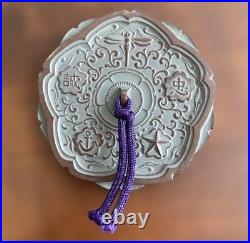
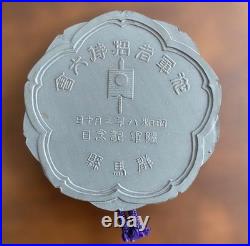
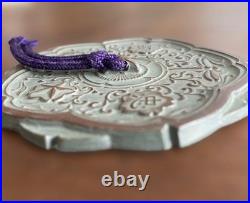
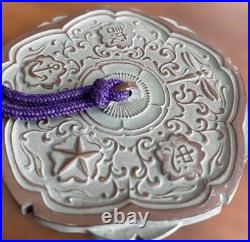
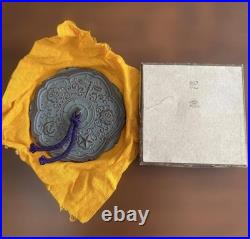
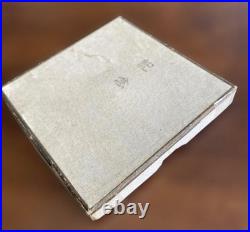
Original 1933 Imperial Japanese Army Veterans’ Gathering Commemorative Paperweight. A rare prewar cast metal paperweight issued for the Army Commemoration Day (March 10, Showa 8 / 1933) in Gunma Prefecture, Japan. This item was distributed to participants of the Veterans’ Invitational Ceremony (Jugunsha Shotai Taikai) – a formal event honoring former Imperial Army servicemen. The front design features the kanji (Loyalty) and (Sincerity), along with symbolic motifs. Dragonfly (/ courage and vigilance, an Imperial Army symbol). Chrysanthemum-like crest (imperial motif). “Imperial Japanese Army Commemoration – Veterans Invitational – Gunma Prefecture – March 10, 1933″. It represents the interwar period unity of Army and Navy under the Emperor, and served as a patriotic token of loyalty and remembrance for those who had served in the Empire’s earlier campaigns. Date: Showa 8 (1933). Material: cast metal (iron or bronze alloy). Condition: Very good for age. Minor patina and wear due to age. Origin: Gunma Prefecture, Japan. March 10 was designated as “Army Commemoration Day” in prewar Japan, marking the victory in the 1905 Battle of Mukden during the Russo-Japanese War. Local veterans’ groups and prefectural associations held annual gatherings to honor war heroes and reaffirm national loyalty. This paperweight was a souvenir presented to attending veterans – an authentic artifact of Japan’s early Showa militarist culture. International Buyers – Please Note. Thank you for your understanding.

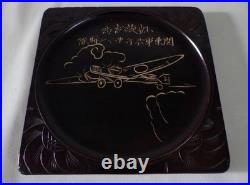
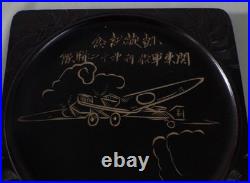
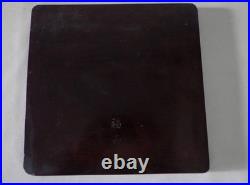
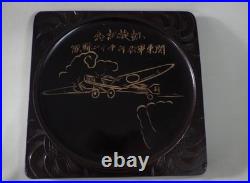
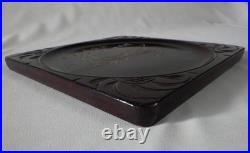
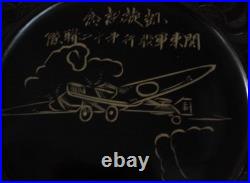
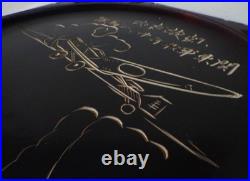
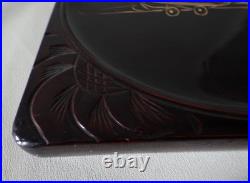
This item is a. Pre-World War II Japanese lacquerware tray. Believed to have been produced as a. Commemorative piece for the victorious return (Kaisen Kinen). Kwantung Army, 12th Flying Regiment. Of the Imperial Japanese Army. At the top of the tray, the inscription reads. ? – “Commemoration of Victorious Return”. ? – “Kwantung Army, 12th Flying Regiment”. The center of the tray features a finely executed aircraft motif, depicting a single-engine military airplane, symbolizing Japan’s early military aviation era. The design is rendered in a traditional Japanese decorative technique consistent with prewar commemorative lacquerware. Was Japan’s most prominent military force stationed in Manchuria, and its aviation units played a critical role in reconnaissance and air operations during the prewar period. Was one such unit, and items like this tray were typically created to commemorate successful missions or safe return from deployment. This tray was likely presented to officers, unit members, or related personnel as a. Ceremonial and symbolic object. Rather than for daily use. Japanese Lacquerware Significance. Traditional Japanese lacquerware is made using. Applied by hand in multiple layers. Because each piece requires extensive time, skill, and drying periods. Mass production was not possible. Making prewar lacquerware inherently rare. Urushi lacquer is also known for its durability-rather than deteriorating, it. Hardens and deepens in character over time. Which can be seen in the surface texture and subdued gloss of this piece. In Japanese culture, trays and ceremonial vessels were deeply connected to. Rituals, celebrations, and formal occasions. Within the military, such items symbolized respect, remembrance, and honor, serving as tangible records of service and achievement. Shows age-related wear, surface scratches, and minor lacquer thinning. No major cracks or structural damage observed. 23.8 × 23.8 cm. (9.4 × 9.4 inches). This is a rare and evocative artifact combining. Imperial Japanese Army aviation history. Kwantung Army regimental provenance. Traditional prewar Japanese lacquer craftsmanship. An excellent piece for collectors of. Japanese militaria, aviation history, or prewar ceremonial objects. Approximate 7-21days(To USA).

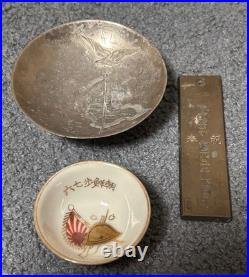
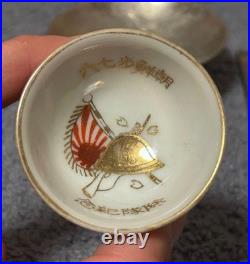
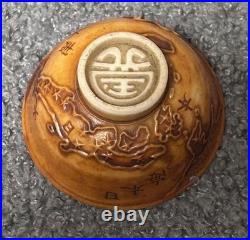
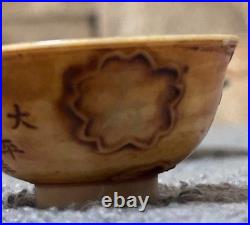
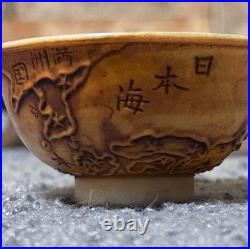
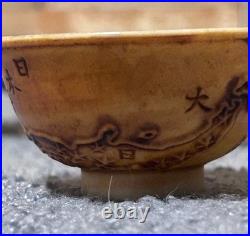
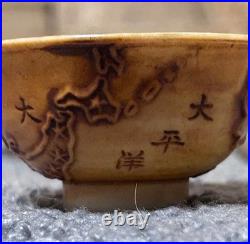
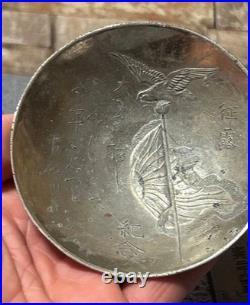
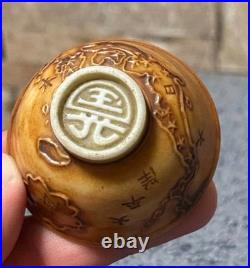
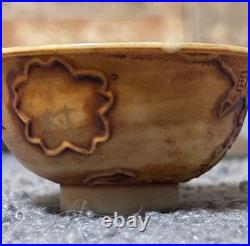
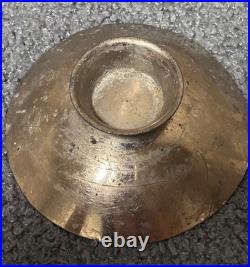
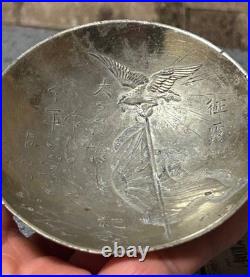
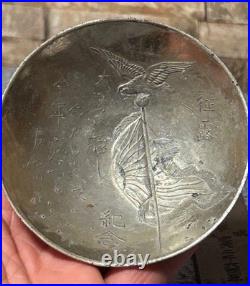
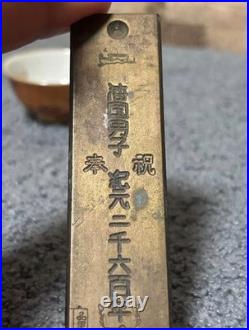
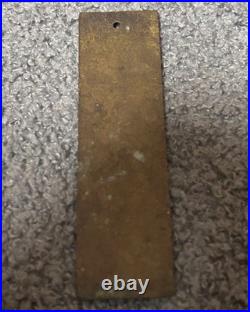
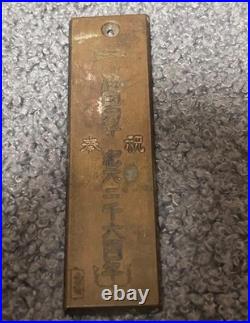
This is an original. Imperial Japanese Army commemorative set. Consisting of three historical items dating from the early 20th century to the pre-WW2 period. Each piece reflects a different phase of Japan’s modern military history and was produced as an actual commemorative item rather than for later decoration or reproduction. A heavy pewter sake cup decorated with an eagle and military banner motif. Inside the cup is an engraved. Having offered my life to the Emperor. I celebrate this day of honor. This inscription represents the voice of a. Commemorating survival and honor after the Russo-Japanese War rather than mourning the fallen. Such personalized poetic inscriptions are less common than standard issue victory cups. 2 Imperial Japanese Army – Korea. 78 Discharge Commemorative Sake Cup. Ceramic sake cup inscribed. “Korea – Infantry Regiment 78″. The lower design features a. Map motif extending from Japan toward Korea and Manchuria. Reflecting the geopolitical worldview of the period and Japan’s continental expansion. This cup is a valuable primary artifact documenting the everyday reality of Japanese soldiers stationed on the Korean Peninsula. 3 2600th Imperial Year Commemorative Brass Plaque (1940). Brass commemorative plaque engraved. “Commemoration of the 2600th Imperial Year”. Issued during nationwide celebrations in 1940 (Koki 2600), marking the mythical founding of Japan. Such items were produced for ceremonial and symbolic purposes across military and civil institutions. Together, these items illustrate. The Russo-Japanese War and its veterans. The Japanese Army’s presence in Korea. State ideology and national celebrations leading into WWII. This is not a decorative set, but a. Group of genuine historical artifacts. Reflecting how soldiers and institutions commemorated service, survival, and national identity. All items show expected age-related wear, surface scratches, and patina consistent with original period use. Please review photos carefully. Approximate 7-21days(To USA).

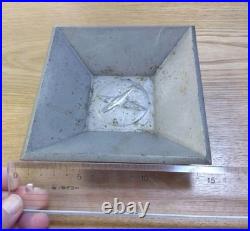

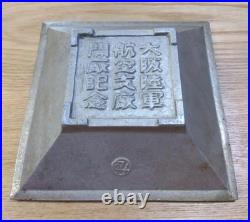
This is an original commemorative metal ashtray produced to mark the opening of the. Osaka Imperial Japanese Army Aviation Arsenal. During the early Showa period. The inscription cast into the base reads. Osaka Army Aviation Arsenal – Opening Commemoration. The Osaka Army Aviation Arsenal was established as a. Logistics and maintenance center. Supporting the Imperial Japanese Army’s growing air power. Unlike front-line air units, aviation arsenals played a crucial behind-the-scenes role. Aircraft maintenance and repair. Storage and supply of aviation equipment. Technical and logistical support necessary for sustained air operations. Osaka was selected due to its strong industrial base, advanced metalworking capabilities, and well-developed transportation networks. The opening of this facility reflects Japan’s shift in the 1930s toward. Long-term, systemized air warfare preparation. Why an Ashtray? In Imperial Japan, it was customary to produce. Such as sake cups, trays, and ashtrays-as official commemorative gifts for military milestones. This ashtray was likely distributed to officers, engineers, or personnel involved in the establishment of the aviation arsenal. It represents a rare example of how military history survives not only through medals or documents, but through everyday objects. Material & Construction. Solid cast metal construction. Heavy and durable, not a lightweight souvenir. Aviation-related motif visible on the base. The industrial character and casting quality strongly reflect military production standards of the period. Shows age-related wear, surface patina, and minor marks consistent with original use. No major damage or structural issues. Collector’s Note. This piece offers insight into the. Logistical foundation of Imperial Japanese Army aviation. An area often overlooked compared to combat units. A compelling artifact for collectors of. Imperial Japanese Army history. Aviation logistics and support units. Pre-war / early WWII military industrial artifacts. Approximate 7-21days(To USA).

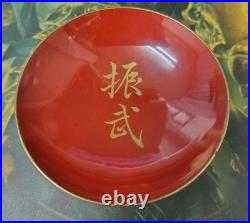
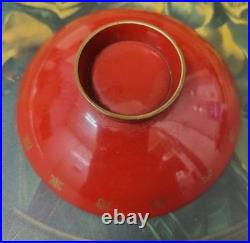
This is an original Imperial Japanese Army commemorative sake cup dating to 1931 (Showa 6). Around the rim, the following inscription is clearly written in Japanese. “Showa 6 – Imperial Japanese Army Special Grand Maneuvers”. What were the 1931 Army Special Grand Maneuvers? The Imperial Japanese Army Special Grand Maneuvers were large-scale, officially organized military exercises held periodically to test command structure, troop coordination, and national defense readiness. The 1931 maneuvers are particularly significant, as they were conducted in the same year as the Manchurian Incident, a turning point in East Asian history. These exercises were not ceremonial events, but serious preparations reflecting rising international tensions and Japan’s expanding military posture at the time. As a result, items related to the 1931 maneuvers are regarded today as important pre-war historical artifacts, rather than simple souvenirs. Meaning of the inscription ” (Shinbu)”. The center of the cup bears the gold-lettered phrase. This term can be translated as to inspire and uphold martial spirit. It was commonly used by the Imperial Japanese Army to express ideals of discipline, morale, and duty. Its presence strongly indicates that this cup was produced for an official military occasion, not for private or commercial sale. The special relationship between the Japanese Army and sake cups. In the Imperial Japanese Army, sake cups were deeply symbolic objects. They were used during. Rather than everyday drinkware, these cups served as ritual objects representing loyalty, unity, and remembrance. Commemorative cups bearing specific dates and events were typically distributed only to participants or officials, which makes surviving examples relatively scarce today. Japanese lacquer craftsmanship. This cup is finished in traditional Japanese lacquer (urushi). Japanese lacquerware is known for. Resistance to moisture and decay. Beautiful aging over time. Each piece was hand-coated in multiple layers, making true lacquer items difficult to mass-produce. Even military-issued lacquerware adhered to a certain quality standard, and many were lost or damaged during the war years. The remaining surface wear and aging visible today are consistent with an authentic pre-war lacquer piece and add to its historical character. Shows expected wear, scratches, and surface aging consistent with age. No major cracks or structural damage. This item is offered as a historical artifact, not as functional drinkware. An authentic 1931 Imperial Japanese Army commemorative lacquer sake cup, directly connected to a pivotal year in modern Japanese history. Highly suitable for collectors of. Imperial Japanese military memorabilia. Approximate 7-21days(To USA).

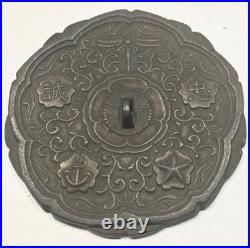
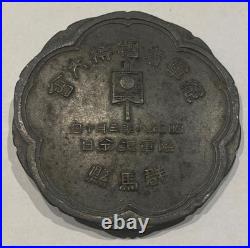
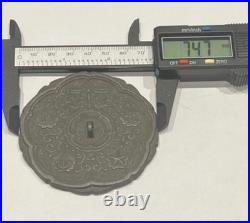
Original 1933 Imperial Japanese Army Veterans’ Gathering Commemorative Paperweight. A rare prewar cast metal paperweight issued for the Army Commemoration Day (March 10, Showa 8 / 1933) in Gunma Prefecture, Japan. This item was distributed to participants of the Veterans’ Invitational Ceremony (Jugunsha Shotai Taikai) – a formal event honoring former Imperial Army servicemen. The front design features the kanji (Loyalty) and (Sincerity), along with symbolic motifs. Dragonfly (/ courage and vigilance, an Imperial Army symbol). Chrysanthemum-like crest (imperial motif). “Imperial Japanese Army Commemoration – Veterans Invitational – Gunma Prefecture – March 10, 1933″. It represents the interwar period unity of Army and Navy under the Emperor, and served as a patriotic token of loyalty and remembrance for those who had served in the Empire’s earlier campaigns. Date: Showa 8 (1933). Material: cast metal (iron or bronze alloy). Condition: Very good for age. Minor patina and wear due to age. Origin: Gunma Prefecture, Japan. March 10 was designated as “Army Commemoration Day” in prewar Japan, marking the victory in the 1905 Battle of Mukden during the Russo-Japanese War. Local veterans’ groups and prefectural associations held annual gatherings to honor war heroes and reaffirm national loyalty. This paperweight was a souvenir presented to attending veterans – an authentic artifact of Japan’s early Showa militarist culture. International Buyers – Please Note. Thank you for your understanding.

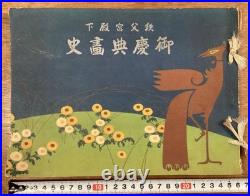
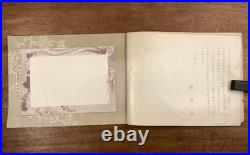
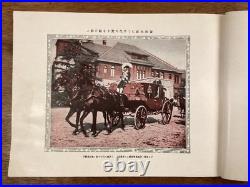
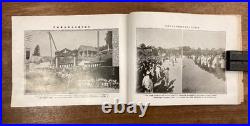
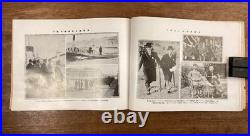
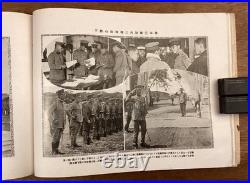
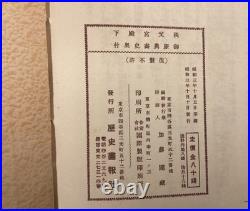
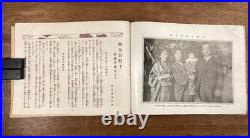
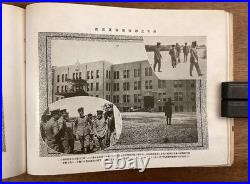
What is this book? This is an original ” (Gokeiton Gashi)” pictorial history book, published in Showa 3 (1928). Who was Prince Chichibu? Prince Chichibu was one of the central members of the Imperial Family during the 1920s-40s. Known for his military career, he studied in the UK, served in the Imperial Japanese Army, and represented the Imperial Family in public and ceremonial events. In 1928, he was 26 years old and actively involved in state functions. What does mean? The title translates as Illustrated History of Imperial Celebrations. These were richly printed commemorative albums featuring photographs and illustrations of state occasions-imperial enthronements, parades, military reviews, and public ceremonies. Published in October 1928 (Showa 3) by (Rekishi Gahosha, Historical Pictorial Press, Tokyo). It documents ceremonies in Tokyo and other locations in Japan, celebrating the enthronement of Emperor Showa and related imperial events. Why was it made? Such albums were produced to commemorate the enthronement and to spread imperial prestige among the public. They were souvenirs for officials, military personnel, and loyal citizens, and today serve as valuable historical records of early Showa Japan. How is it made? Format: Large-format pictorial booklet with string binding. Contents: Photographs (some tinted in color) of imperial processions, military reviews, parades, and Prince Chichibu’s appearances. 26 × 18 cm. Publisher: Rekishi Gahosha, Tokyo. Condition: Original 1928 printing; shows expected age wear, stains, and minor creases, but overall preserved. Rare 1928 Showa enthronement pictorial including Prince Chichibu. Mix of monochrome and color-tinted photographs. Valuable for collectors of Imperial Japan, Showa Emperor, Prince Chichibu, or Japanese ceremonial history. Suitable for display, historical research, or museum/archive reference. Authentic 1928 Showa 3 Imperial Ceremony pictorial book, featuring Prince Chichibu and major enthronement events. A rare visual record from early Showa Japan. International Buyers – Please Note. Thank you for your understanding.

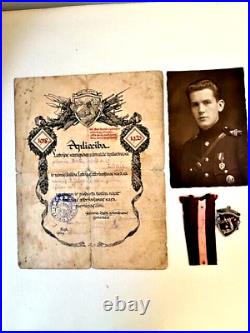
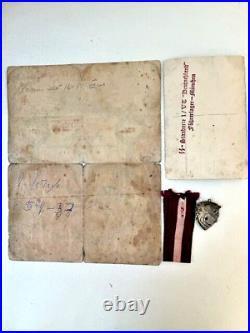
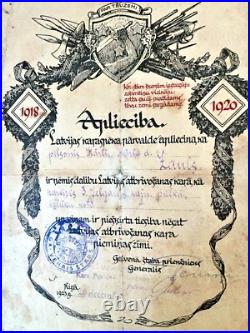
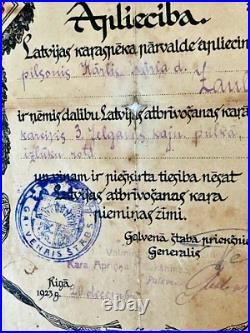
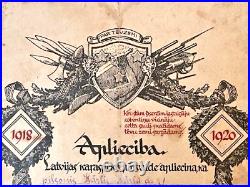
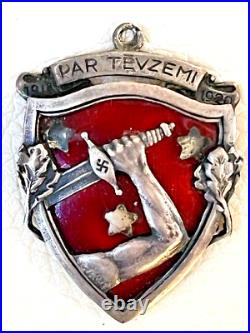
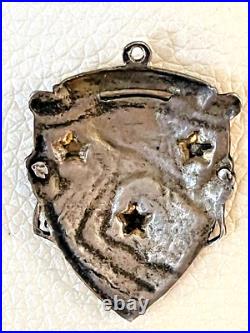
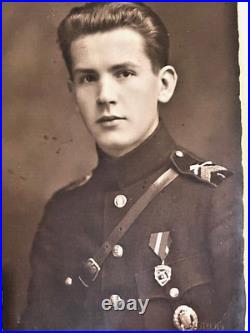
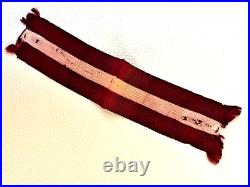
Certificate is dated December 20,1923 (it is original to the era, not reprint). The award was established by the government of Latvia on May 2, 1923 for Latvian war veterans. Medal dimensions: 1.35″ x 1.1″ (3.5 cm x 2.9 cm). Certificate dimensions: 7.2″ x 9.3″ (18.2 cm x 23.5 cm). Ribbon dimensions: 5.5″x 1.3″ (14 cm x 3.3 cm). Photograph dimensions: 5.3″ x 3.5″ (13.5 cm x 9 cm). Photograph has WW2 German elite stamp on the reverse side. Looks like the soldier served in German elite unit during WW2? Very good condition consistent with age and use. All items were checked with black light lamp. Please see the photos for condition and the details – they are part of the description.

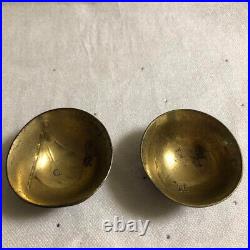
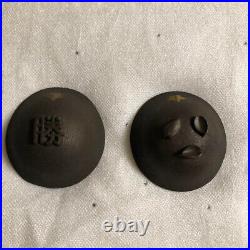
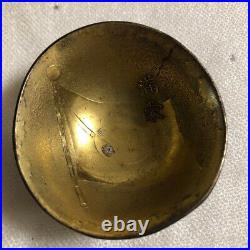
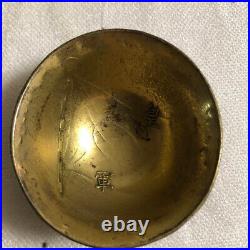
Former Japanese Army original. It’s from war time. Copper Size: Height approx. 2.5cm Width approx. 5.7cm Weight approx. There have scratch and dirt. How about a military fan? International Buyers – Please Note.