
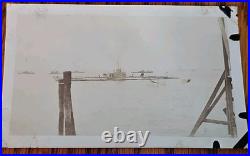

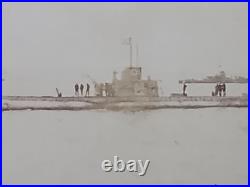
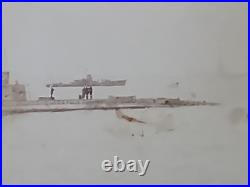

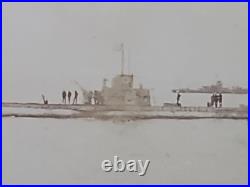
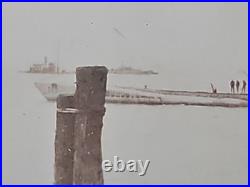
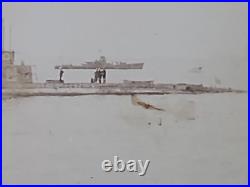

Post-WWI German U-Boat U-53 New York Harbor 1919. Original vintage photograph showing the Imperial German Navy submarine SM U-53 at New York Harbor after World War I, dated by comparison to the documented Bain/Navy image as New York, April 24, 1919. The image shows the long, low profile of the German U-boat at the surface, with crew visible on deck and harbor vessels in the background. SM U-53 was one of the most historically significant German submarines of World War I. The warship sunk was the American destroyer USS Jacob Jones, torpedoed by German U-53 on December 6, 1917, off the Isles of Scilly. This makes the image especially desirable for collectors of WWI naval history, U-boat material, Imperial German Navy photographs, and early submarine warfare. A scarce and historically important postwar view of a surrendered German U-boat in New York Harbor, connected to one of the best-known German submarine commanders and to the loss of USS Jacob Jones. Original vintage black-and-white photograph measuring approximately 2 3/4 x 4 1/2 inches. Reverse is blank except for a small handwritten number. Please review all photos for exact condition. Conflict: World War I. Country/Region: Germany / United States. Branch: Imperial German Navy / Kaiserliche Marine. Subject: German U-boat / submarine at New York Harbor. Location: New York Harbor / New York. Associated Commander: Hans Rose. Associated Event: Post-WWI surrendered German submarine. Original/Reproduction: Original vintage photograph / period print. 2 3/4 x 4 1/2 in.

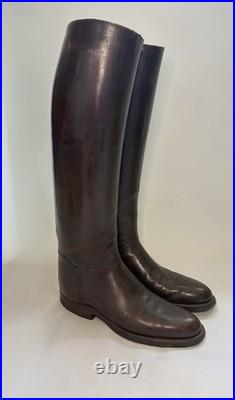
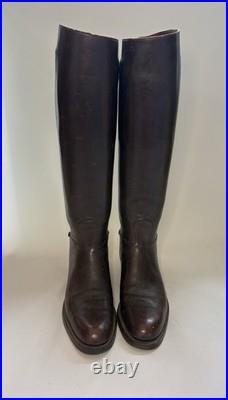
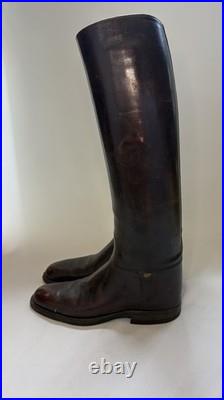
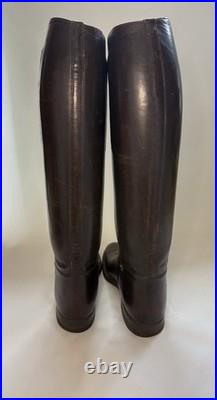
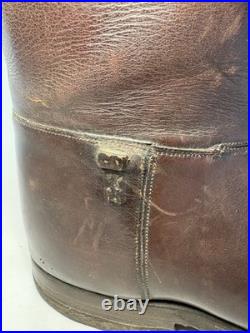
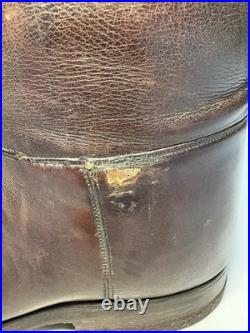
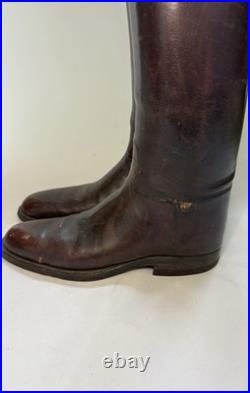
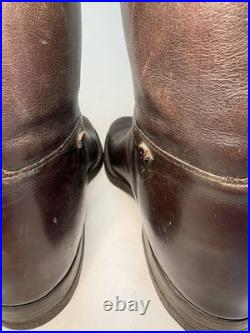
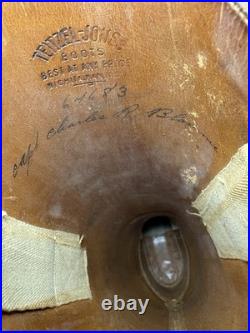
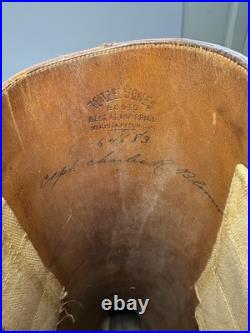
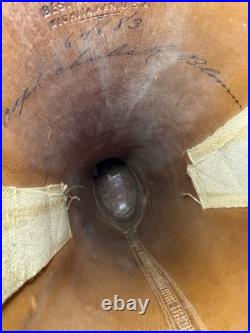
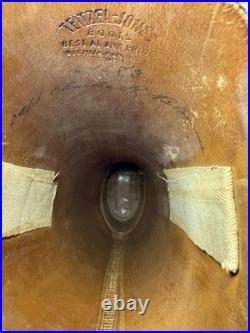
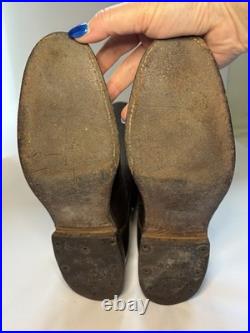
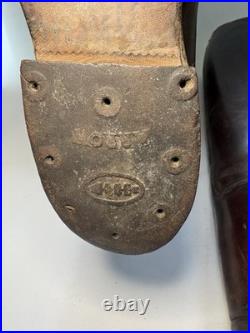
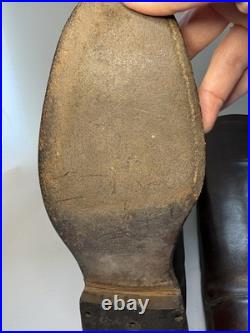
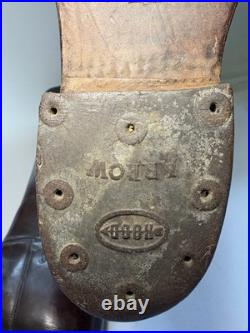
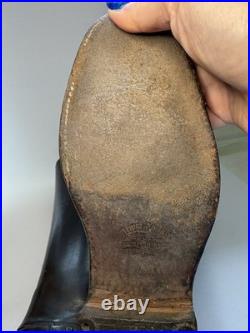
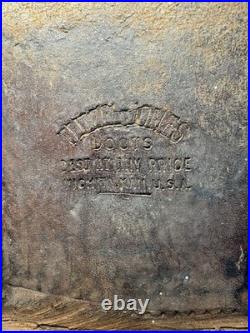
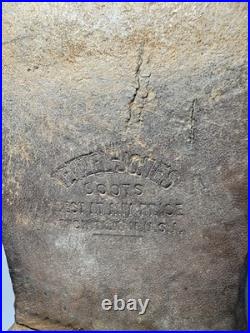
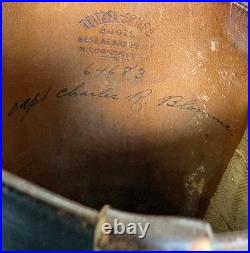
These are vintage Teitzel-Jones boots, a brand with deep historical ties to the U. The company logo is stamped on the inside and it looks like Capt. Blomme is handwritten on the inside. There are straps inside of each boot for pulling the boots on. The boot measures 19 high. The foot part measures 11.25″ long and they are 5″ wide at the widest point. These boots do not feel fragile or brittle. The leather is supple. The boots are fairly sturdy. They are in very good condition. These boots were highly regarded for their craftsmanship and were frequently custom-made for cavalry officers and high-profile figures. The “Teitzel-Jones” name marks a specific era in the company’s evolution. The company moved to Wichita in 1914. Teitzel passed away in 1929 and Carlton Dehner left to form his own company (The Dehner Company) in 1930, the business was known as Teitzel-Jones. Boots with only “Teitzel Jones” on the label likely date from 1930 through the WWII era. Teitzel was known as a premier maker of cavalry officer boots. Notable customers included General George Patton, who ordered custom battle boots, and Eleanor Roosevelt, for whom they made riding boots. #Wichita #Cavalry #Custom Made #Officer #Dehner #TeitzalJones.

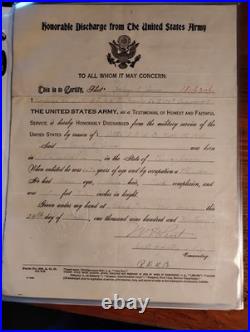
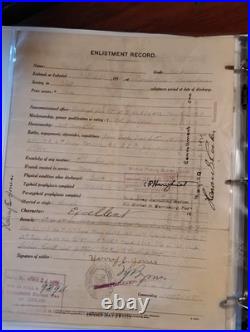
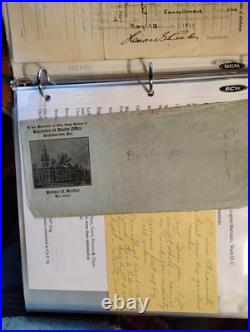
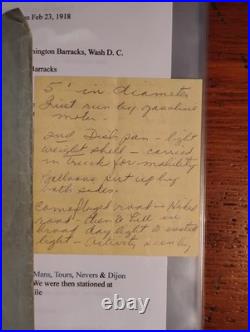
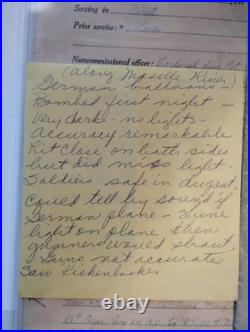
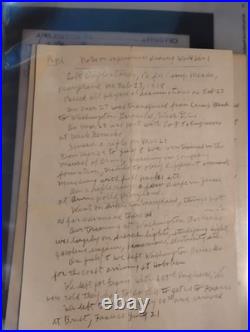
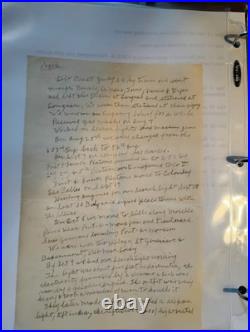
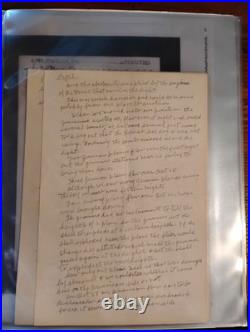
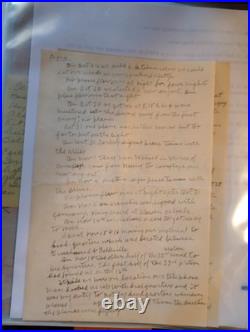
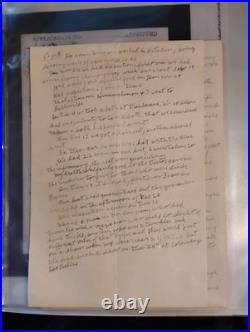
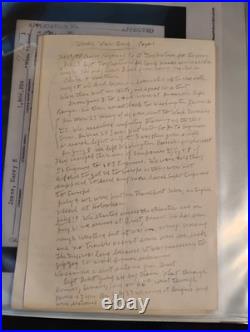
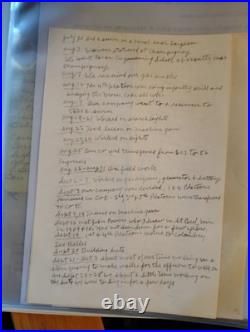
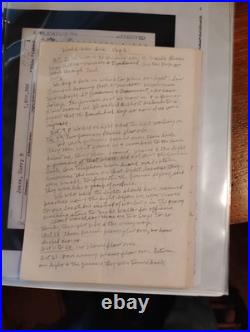
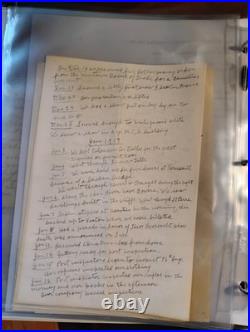
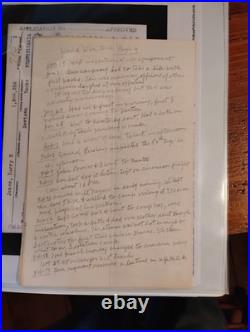
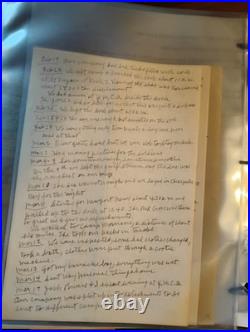
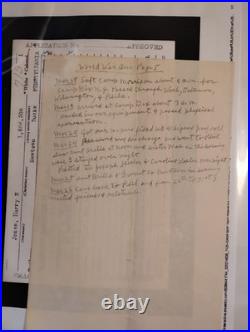
Engineers to June 7, 1918. Engineers to August 24, 1918. Two handwritten accounts of his war experiences! Promoted from Private 1. Class to Corporal on May 16, 1918. Honorable Discharge lists his service as: Army Troops Toul Sector. Army Nov 1-11, 1918. July 10, 1918 to March 11, 1919. Harry Elwood Jones was born in Philadelphia on April 26, 1891. At the time of enlistment he was living in Newtown, Bucks County, PA. Included in this remarkable WWI collection are the following. Envelope from Recorder of Deeds Office, Doylestown, PA with pencil notation “Discharge”. 2-sided yellow paper describing describing search light, being seen by Germans and bombed, soldiers all safe in dug out This will make more sense when you read his diary accounts of the War. Two (2) hand-written accounts of his war experiences, written in diary form. They are very similar, but the second account has additional interesting information not in the first account. These accounts are a bit lengthy and are fully transcribed. Very interesting accounts by Harry E. Notes on experiences during World War 1 – (First Account). Left Doylestown, PA for Camp Meade, Maryland on Feb 23, 1918. Passed all physical examinations on Feb 23. On Mar 27 was transferred from Camp Meade to Washington Barracks, Wash D. On Mar 28 was put with Co. F 56 Engineers at Wash Barracks. Issued a rifle on Mar 29. From Mar 29 to July 8 we were trained in the Manual of Arms, marching in company formation, trained to obey different commands, marching with full packs, etc. On a rifle range a few days in June at Annapolis, Maryland. Went on hikes in Maryland, things not as far advanced there as our training at Washington Barracks. Was largely on search lights, studying lights, gasoline engines, ? On July 8 we left Washington Barracks for the coast arriving at Hoboken. We left for France with 603. We were told they had to do this to get us to France. We left the coast July 10. And arrived at Brest, France July 21. Left Brest July 24 by train and went through Rennes, Li Mans, Tours, Nevers & Dijon and left the train at Langres and stationed at Lougueau. We were then stationed at Charnpigny. We were in an Engineering School for a while. Received gas masks on Aug. Worked on Search Lights and machine guns. We were changed from the 603. On Sept 7 our company was divided. First and Fourth Platoons remained in Co E 56 Eng. Platoons were transferred to Co. First and Fourth Platoons moved to Colombey les belles on Sept 19. Hauling engines for our Search Light Sept 28. On Sept 30 Bulgaria signed peace terms with the allies. On Oct 5 we moved to hills along Moselle River near Pont – a – Mousson and Dieulouard. Saw Germans bombing Pont – a – Mousson. We were near two villages St Genevieve & Beaumont, also near Soisy. By Oct 9 we had our Search Light working. The light was about five feet in diameter, the electricity furnished by a? Which was run by a gasoline engine. The outfit was very heavy & took a number of men to handle it. They later made what as called a dispan light, 5 ft in dia, the reflector was of light buetal. And the electricity supplied by the engine of the truck that carried the light. This was much handier and could be moved quickly from one place to another. When we moved into our position the Germans spotted us, flew over at night and droped several bombs; we had moved several feet away to a dug out that the French had dug & were not using. Fortunately the bombs missed us and the light. Two German planes flew over the first night but the gunners stationed near us failed to bring them down. Three German planes flew over Oct 10. Although we saw many German planes during the day we saw none for ten nights. Four enemy planes flew over Oct 21. None were brought down. The gunners had no instruments to tell the height of a plane so the gunner set the shell to explode at a certain heigheth. If the shell exploded near the plane the flier would change his altitude which made the gunner guess again at the heighth & set the shell to explode at the new heighth. Saw only one plane near us that was damaged by shrapnel & we couldn’t see whether it came down on the American side or not. On Oct 23 an American flier said to be Rickenbacher shot a plane over our heads & forced it down on the American side. On Oct 24 we build a kitchen where we could eat our meals in comparative safety. No planes flew over us for four nights. On Oct 28 we started a new dug out. One plane flew over that night. 30 we got up at 5:15 a. & were mustered into the Second army from the first army; no planes. Oct 31 one plane was rather near us but but too far to put on the light. On Oct 31 Turkey signed peace terms with the allies. On Nov 1 three men trained in the use of camaflage came from Nancy to camaflage our new dug out. On Nov 4 Austria sign peace terms with the allies. No planes flew over at night after Oct 31. On Nov 11 an armistice was signed with Germany. Firing ceased at eleven o’clock. We received orders to get ready to move. Spent Nov 15 & 16 moving our material to head-quarters which was located between Dieulouard & Belleville. On Nov 18 the other half of the 33. Platoon moved to head-quarters. The first half of the 33. Platoon had joined us on the 16. While we were on location our telephone man hooked us up with head-quarters and it was my duty to notify head-quarters whenever planes approached & tell them the direction the planes were flying. For some time we worked in kitchen, doing laboring work of various kinds. On Nov 24 we had inspection, first one we had since leaving Champigny which was about Sept 19. Had some good special food on Thurs Nov 28 [Thanksgiving Day]. Had inspection again Dec 1. That afternoon Himmelman & I went to Belleville. On Dec 4 we took a bath at Dieulouard. We so seldom had an opportunity to take a bath that we considered taking a bath a special event. On Dec 13 we got a hair cut, another special event. In Dec our camp was hit with the flu. We had 22 men in our hut, 6 were taken to the infirmary, the rest were quarantines. My health was fairly good so the Doctor gave me the medicine to give to those who were sick. On Dec 19 it snowed, first snow I saw in France. Our hut was quarantined but the quarantine was lifted in the afternoon of Dec 20. Had inspection again on Dec 21. We had a man in our Company who had troubled with a magician who could do slight of hand tricks, another who was a tumbler and different men of that type and they would put on a show when we wear near a Y. We had such a show on Dec. At Colornbey Les Belles. World War One Page 1 (Second account). Feb 19, 1918 passed physical Ex at Doylestown for the army. Feb 23 Left Doylestown for Camp Meade arrived 6.45 A. On Mar 27 many of us were sent to Wash Barracks D. We received infantry training up to this time. On Mar 28 I was put into Co. F – 56 Engineers a march light outfit. I was then given a rifle. May 11 The only leave I had from Camp. Visited in Phila & Newtown. May 18 We had been in barracks up to that date, were then put in tents, one squad to a tent. From June 3 to 24 we were at Annapolis rifle range. We then went back to Washington Barracks. On July 8 we left Washington Barracks for the coast. They changed the name of companies D, E. & F of 56 Engineers to 603 Engineers. We were told they did this to get us to Europe as they were not supposed to send any more Search Light Engineers to Europe. July 9 We were put on Transport Toloa, an English vessel at Hoboken The SS Toloa was built during WWI by Workmen, Clark & Co. July 10 We started across the Atlantic and on July 21 we arrived at Brest, France. We had some rough weather but it was an average crossing and no trouble accept [sic] some were sea sick. The trip was long because it was necessary to zigzag to avoid German submarines. We camped a short distance from Brest. Left Brest July 24 by train, Went through Rennes, Germany, Tours on 26. Went through Nevers & Dijon. On July 27 we arrived at Langres and were stationed at Longueau. July 30 Had a swim in a canal near Longueau. Aug 3 We were stationed at Champigney. We went to an Engineering School aparently [sic] near Champigney. Aug 7 We received our gas masks. Aug 10 The 4. Platoon was doing infantry drill studying the Morse code all wk. Aug 17 Our company went to a reservoir to take a swim. Aug 19-21 Worked on search lights. Aug 22 Had lesson on machine gun. Aug 23, 24 Worked on lights. Aug 25 Our co was transferred from 603 to 56 Engineers. Aug 26 – A ug 31 On field work. Sept 2 – 7 Worked on gas engines, generator & battery. Sept 7 Our company was divided. 1 & 4 Platoons remained in Co E. Platoons were transferred to Co D. Sept 9, 14 Trained on machine guns. Sept 10 Met John Powers who I knew in St. Paul, Minn in 1909 & 10. Had not seen him for a few years. Platoons moved to Colombey Les Belles. Sept 20 Building huts. Sept 21 – Oct 3 Spent most pf our time working in a stone quarry to make walks for the officers to walk on. On Sept 23 – 28 We spent a little time working on the huts we were to live in for a few days. Oct 5 We moved to the hills along the Moselle River near Pont – a – Mousson & Dieulouard. On this trip we went through Toul. Oct 6 We dug a hole in which to place our light. Saw Germans booming Pont – a – Mousson. We were near two villages, St. Genevieve & Beaumont, also near Soisy. The Germans saw us move in & a German plane boomed us. We walked a short distance to a dugout that the French had dug so none of us were injured. Oct 7, 8 Worked on light & had the light working on the 9. Two German planes flew over. We with gunners near us drove them back. They then went around us & came back to the River below us, they then boomed places & the light & gunners at that place did not drive the Germans back. Our telephone man heard our captain denounce the men on that light because they were unable to frighten the German flyers, said they were like a group of rookies. We who used the lights should have received practice using the light before we were moved to our location instead of working in the quarry crushing stone to make walks for officers. Albert would say there are two ways to do things, the right way & the wrong way. Oct 10 Three German planes flew over, no booms droped near us. Oct 11 to 20 No planes flew over. Oct 21 Four enemy planes flew over. Between our light & the gunners they were turned back. Dec 19 Snowed a little, first snow I saw in France. Dec 20 Our quarantine was lifted. Dec 24 We had a show put on by by our Co and Co H. Dec 25 Snowed enough to make ground white. We saw a show in a Y. Jan 3 We left Columbey Les Belles for the coast. Jan 4 Went through Is – sur – Tille. Jan 5 We were held up for five hours at Verneuil because of a broken bridge. We went through Nevers & Bourget during the night. Jan 6 Along the Cher River near Bourre. We saw dwellings built in the cliffs. Went through St Pierre. Jan 7 Train stopped at Nantes in the morning then backed up to Verton where we were billeted. Jan 8 Had a parade in honor of Theo. Roosevelt whose death was announced on Tues. Jan 11 Received Christmas box from home. Jan 14 Getting ready for port inspection. Jan 15 Port inspector began to inspect 56. Our officers inspected our clothing. Jan 16 Port inspector inspected our rifles in the morning and our packs in the afternoon. Our company passed inspection. World War One Page 4. Jan 18 Had inspection of web equipment. Jan 21 Our Company had to take a hike with field packs. This was ridiculous, officers of other companies laughed at our officers. It is good to keep us busy but this was absolutely unnecessary. Jan 23 Had ice & frost in morning, first I noticed since coming to Verton. Jan 25 Went to Nantes by boat. Had a bath in a bath tub, Their plumbing is crude. Feb 1 Had a show of local talent in afternoon. Feb 3 General Pershing inspected the 56. Feb 9 John Powers & I went to Verton. Feb 10 Our last day at Verton. Feb 11 Arrived in St Nazaire in early morning. We left the cars 5 a. & walked to camp arriving at 7:30 a. Feb 12 Left Camp no 2 & went to camp no 1,, were inspection, took a bath & had our clothes sent through a cootie machine. The steam was not hot enough & I got cooties the first time while in France. We then went to an Isolation camp. Got 39.45 dollars for 215 Franks. Feb 17 Our regiment received a lecture in a Y. Feb 19 Our company had bed ticks filled with cork. At St Nazaire at Dock 3. We had dinner at Y. Did so little for us that this was quite a surprise. Feb 25 We left the dock about 6.30 a. Feb 25 & 26 the sea was rough, but smoothe on the 27. Feb 28 We were getting only two meals a day and poor ones at that. Mar 2 Blew quite hard but we were able to stay on deck. Mar 3 Had moving pictures for the soldiers. Mar 4 – 9 Sea sometimes rough, sometimes smoothe. We left the gulf stream and the sea was the roughest on our trip. Mar 10 The sea was not rough and we layed in Chesapeake Bay for the night. Mar 11 Started for Newport News about 4.0 a. And pulled up to the dock at 10.40. The Red Cross was there to greet us & give us refreshments. We walked to Camp Morrison, a distance of about six miles. The[y] took our packs in trucks. Mar 12 We were inspected, some had clothes changed, took a bath, clothes were put through a cootie machine. Mar 13 Got my barracks box, everything was wet. Mar 14 Sent my personal things home. Mar 17 Jack Powers & I spent evening at Y. Our company was split up into detachments to be sent to different camps. World War One Page 5. Mar 18 Left Camp Morrison about 9 a. For camp Dix N. Passed through Wash, Baltimore, Wilmington, & Phila. Mar 19 arrived at Camp Dix about 3 a. Handed in our equipment & passed physical examination. Mar 20 Got our papers fixed up & signed pay roll. Mar 24 Received my discharge and went to Phil. Saw Aunt Avilla at noon and sister Mae in the evening were [sic] I stayed over night. Joseph Decker & Caroline Keeler over night. Mar 25 Aunt Avilla & I went to Newtown in evening. Mar 26 Came back to Phil and from 26. I visited friends & relatives. Thanks for lookinh at my auctions.

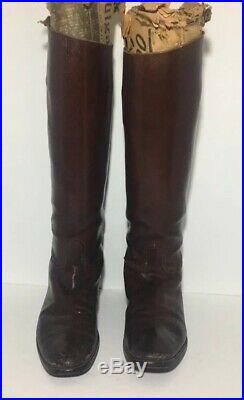
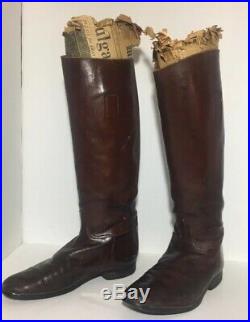
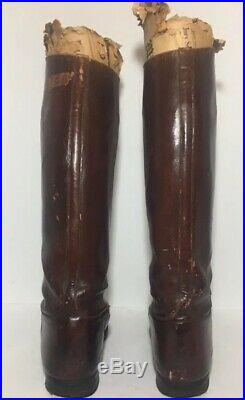
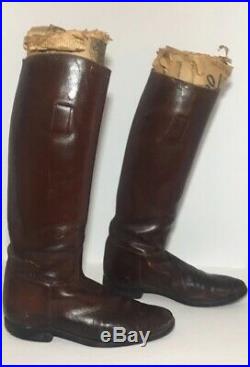
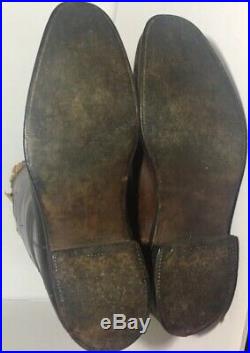
Teitzel Jones Dehner Military Riding Boots Calvary WWI Era Condition is Used. Please see pictures for details. The item “Teitzel Jones Dehner Military Riding Boots Calvary WWI Era with Wood Boot Forms” is in sale since Sunday, January 19, 2020. This item is in the category “Collectibles\Militaria\1919-38\Original Period Items”. The seller is “vintage-classics612″ and is located in Big Lake, Minnesota. This item can be shipped to United States, Canada, United Kingdom, Denmark, Romania, Slovakia, Bulgaria, Czech republic, Finland, Hungary, Latvia, Lithuania, Malta, Estonia, Australia, Greece, Portugal, Cyprus, Slovenia, Japan, China, Sweden, South Korea, Indonesia, Taiwan, Thailand, Belgium, France, Hong Kong, Ireland, Netherlands, Poland, Spain, Italy, Germany, Austria, Bahamas, Israel, Mexico, New Zealand, Philippines, Singapore, Switzerland, Norway, Saudi arabia, United arab emirates, Qatar, Kuwait, Bahrain, Croatia, Malaysia, Chile, Costa rica, Panama, Trinidad and tobago, Guatemala, Honduras, Jamaica, Brunei darussalam, Iceland, Luxembourg, Paraguay, Uruguay, Aruba, Belize, Dominica, Grenada, Saint kitts and nevis, Turks and caicos islands, Bangladesh, Bermuda, Bolivia, Egypt, French guiana, Guernsey, Gibraltar, Guadeloupe, Jersey, Jordan, Cambodia, Liechtenstein, Monaco, Macao, Martinique, Maldives, Nicaragua, Pakistan, Reunion.
- Modified Item: No
- Country/Region of Manufacture: United States

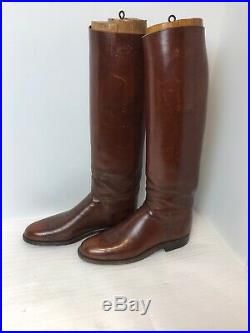
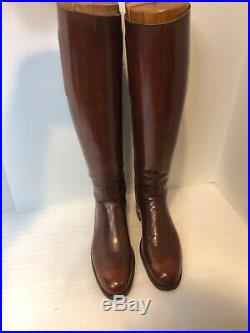
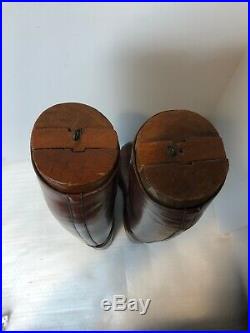
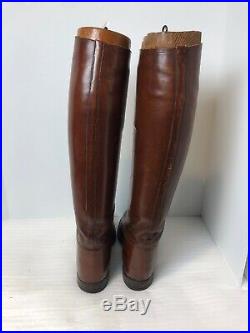
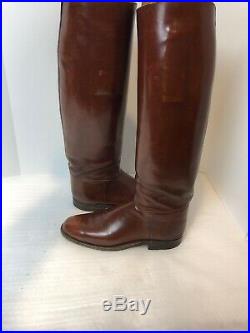
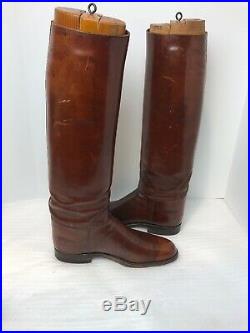
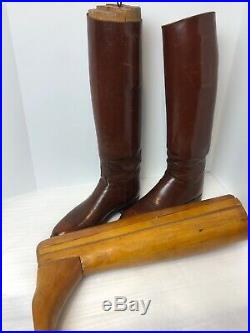
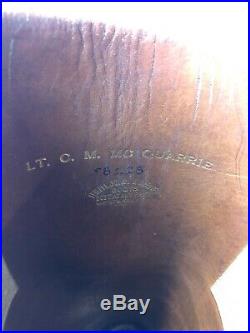
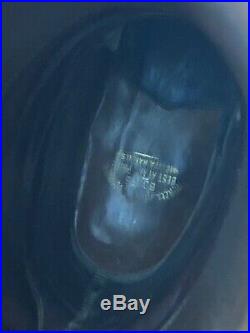
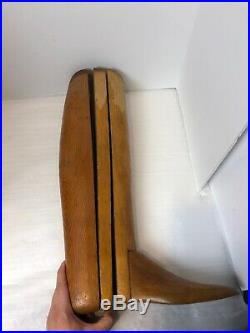
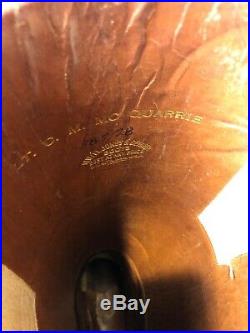
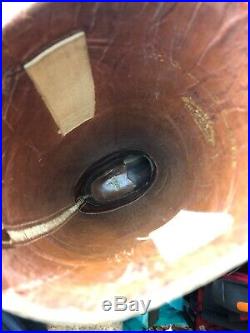
Teitzel Jones Military Riding Boot Calvary WWI Era w/ Wood Forms. The inside is stamped Lt. The boots are still in excellent condition and come with their original wood forms. The item “Teitzel Jones Dehner Military Riding Boots Calvary WWI Era with Wood Boot Forms” is in sale since Sunday, September 15, 2019. This item is in the category “Collectibles\Militaria\1919-38\Original Period Items”. The seller is “lucasfindingtreasures4u” and is located in Jasper, Indiana. This item can be shipped to United States, Canada, United Kingdom, Denmark, Romania, Slovakia, Bulgaria, Czech republic, Finland, Hungary, Latvia, Lithuania, Malta, Estonia, Australia, Greece, Portugal, Cyprus, Slovenia, Japan, China, Sweden, South Korea, Indonesia, Taiwan, South africa, Thailand, Belgium, France, Hong Kong, Ireland, Netherlands, Poland, Spain, Italy, Germany, Austria, Bahamas, Israel, Mexico, New Zealand, Philippines, Singapore, Switzerland, Norway, Saudi arabia, Ukraine, United arab emirates, Qatar, Kuwait, Bahrain, Croatia, Malaysia, Chile, Colombia, Costa rica, Panama, Trinidad and tobago, Guatemala, Honduras, Jamaica, Brunei darussalam, Iceland, Luxembourg, Paraguay, Uruguay, Russian federation.

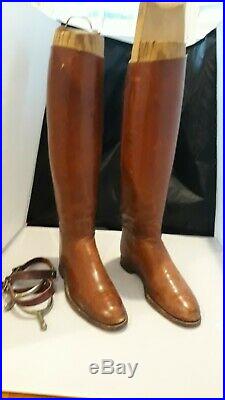
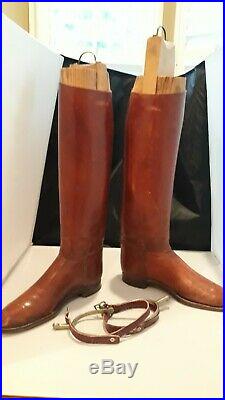
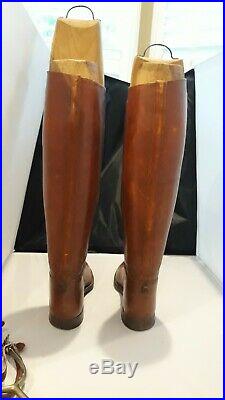
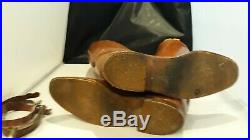
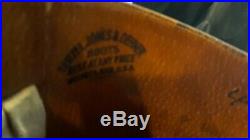
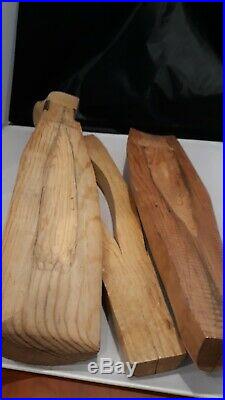

Teitzel Jones & Dehner WWI Era U. Army Cavalry Officer’s Boots, Spurs and Handmade Forms/Trees. These boots were made for Major J. The leather is supple. They appear to have a lot of life left if you wish to wear them. They are 20 inches tall, 15 1/4 inch circumference at the top and 12 inches from the back of the heel to the tip of the toe. The spur rest is a nice upgrade, plus you’ll receive the spurs and handmade boot forms. The forms are amazing! The item “Teitzel Jones & Dehner WWI Era U. S. Army Cavalry Officer’s Boots” is in sale since Tuesday, June 18, 2019. This item is in the category “Collectibles\Militaria\1919-38\Original Period Items”. The seller is “wesleyaanderson” and is located in Alpharetta, Georgia. This item can be shipped to United States.

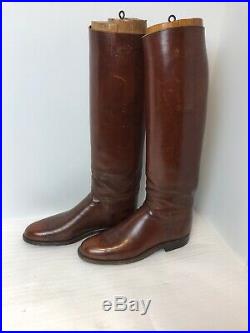
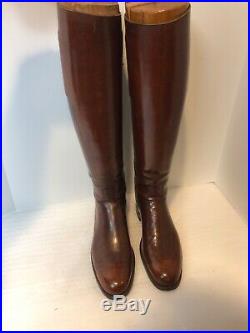
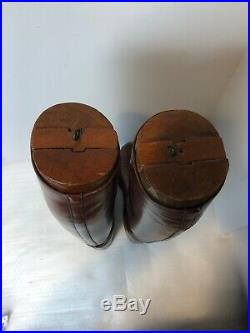
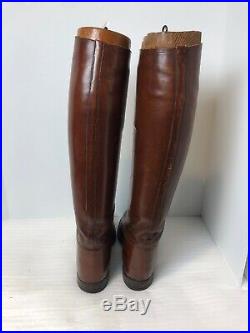
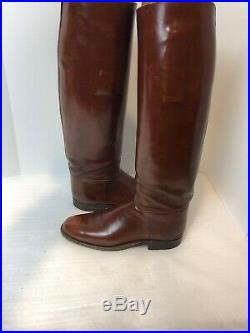
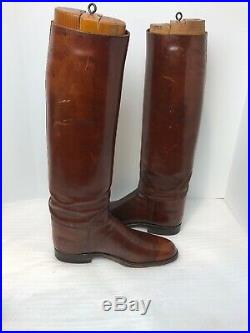
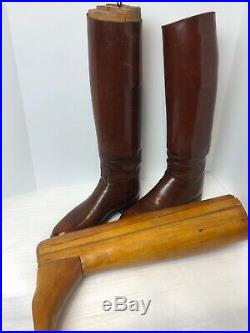
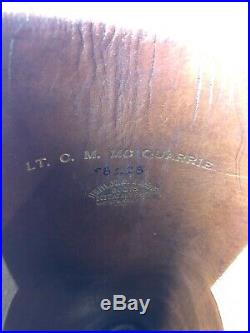
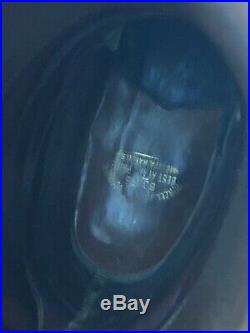
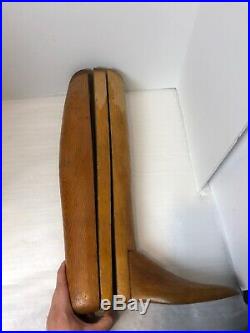
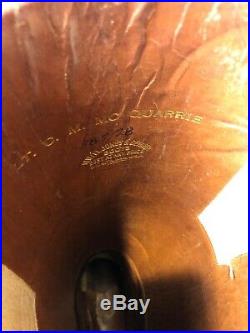
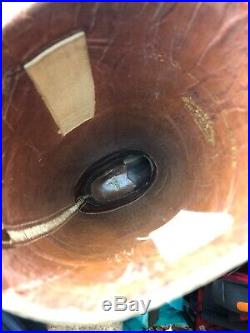
Teitzel Jones Military Riding Boot Calvary WWI Era w/ Wood Forms. The inside is stamped Lt. The boots are still in excellent condition and come with their original wood forms. The item “Teitzel Jones Dehner Military Riding Boots Calvary WWI Era with Wood Boot Forms” is in sale since Saturday, May 18, 2019. This item is in the category “Collectibles\Militaria\1919-38\Original Period Items”. The seller is “lucasfindingtreasures4u” and is located in Jasper, Indiana. This item can be shipped to United States, Canada, United Kingdom, Denmark, Romania, Slovakia, Bulgaria, Czech republic, Finland, Hungary, Latvia, Lithuania, Malta, Estonia, Australia, Greece, Portugal, Cyprus, Slovenia, Japan, China, Sweden, South Korea, Indonesia, Taiwan, Thailand, Belgium, France, Hong Kong, Ireland, Netherlands, Poland, Spain, Italy, Germany, Austria, Bahamas, Israel, Mexico, New Zealand, Philippines, Singapore, Switzerland, Norway, Saudi arabia, Ukraine, United arab emirates, Qatar, Kuwait, Bahrain, Croatia, Malaysia, Chile, Colombia, Costa rica, Panama, Trinidad and tobago, Guatemala, Honduras, Jamaica, Brunei darussalam, Iceland, Luxembourg, Paraguay, Uruguay, Russian federation.