
WWII Imperial Japanese Army War Art Book 1936 China Battle Military Album
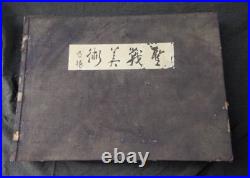
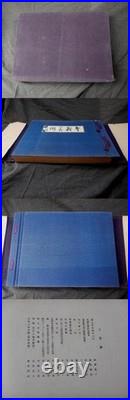
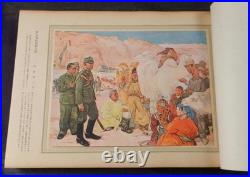
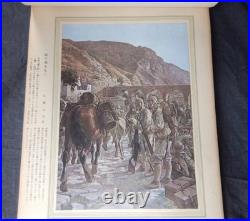
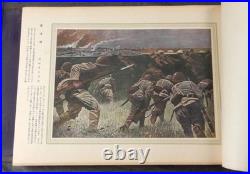
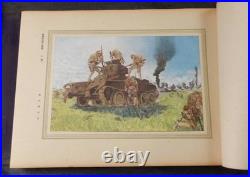
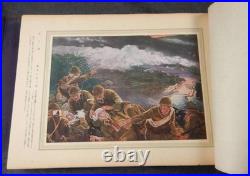
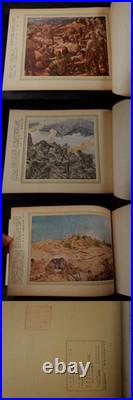
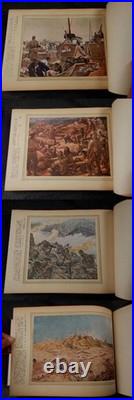
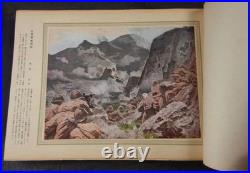

This is an original pre-WWII Japanese military art book titled. “Seisen Bijutsu (Sacred War Art)”, published in 1936. Compiled by the Imperial Japanese Army Art Association. This book represents a rare example of official war art produced under direct military authority. During the 1930s, the Japanese Army organized and supported a group of leading artists. To document real battlefields through visual art. This was not simply artistic expression. ? It was a state-driven project combining art, propaganda, and historical record. Artists were sent to the front lines, and their works were used to convey. The reality – and narrative – of war to the public. About the Army Art Association. The Imperial Japanese Army Art Association gathered many prominent artists of the time. Forming a powerful network backed by military authority. This movement included figures such as. ? Tsuguharu Foujita (Leonard Foujita) – internationally recognized painter from the École de Paris. This highlights an important fact. ? World-class artists were mobilized to depict war. The book contains large-format, highly detailed color plates depicting. Battle of Nankou Pass (North China front). Hangzhou / Lin’an operations. Infantry assaults and front-line combat. Field medical treatment of wounded soldiers. Logistics, transport, and armored warfare. These are not fictional scenes, but visual interpretations based on real military operations. This item exists at the intersection of. ? A work of art. ? A historical document. ? A reflection of wartime ideology. Large-format war art books like this are increasingly difficult to find in complete form. Age-related wear, stains, and discoloration. Damage to cover and spine. Please refer to the photos for details. This is not just a book. It is a piece of how war was seen, recorded, and presented. A rare surviving artifact from a time when. Art and military power were deeply intertwined. Own a Piece of History. International Buyers – Please Note. Thank you for your understanding.