
1933 Imperial Japanese Army Wounded Soldiers Commemorative Vase Sadao Araki
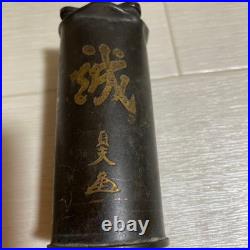
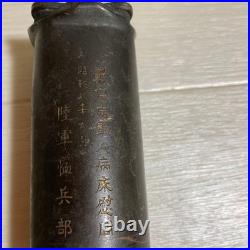
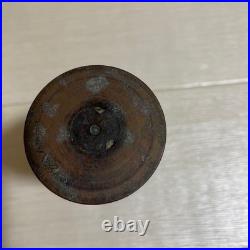
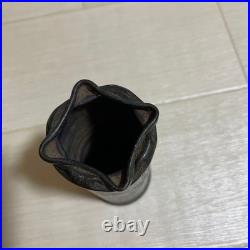

This is a 1933 Imperial Japanese Army commemorative vase connected with a hospital for wounded and sick soldiers. The inscription on the body reads: “Hospital Visit for Wounded and Sick Soldiers” “September 1933″ “Army Welfare Department” On the opposite side is the large character “Makoto” , meaning sincerity, devotion, or faithfulness. Beneath it is the inscription “Written by Sadao”. Based on the date and historical context, this inscription is believed to refer to General Sadao Araki, who was serving as Japan’s Minister of War at the time. Araki was one of the most influential Army figures of early Showa Japan and became closely associated with the Imperial Way faction and the Army’s emphasis on spiritual discipline and loyalty. The year 1933 is especially important. Japan had already entered Manchuria following the Manchurian Incident of 1931, and the state of Manchukuo had been established in 1932. In 1933, Japan announced its withdrawal from the League of Nations. This vase therefore comes from a moment when Japan was moving away from international cooperation and toward a more militarized national direction. Yet this object does not represent the battlefield itself. It represents what happened after soldiers came back wounded or sick. The Army Welfare Department was involved in activities intended to support and soldiers, including those undergoing treatment. Based on the inscription, this vase was likely produced for use during a hospital visit or event for wounded and sick servicemen. It may have been presented to a patient, placed in a military hospital ward, or used as part of the ceremony. That is what makes this piece particularly interesting. The large word “Makoto” was not simply decorative. In the Imperial Japanese military, ideas such as loyalty, sincerity, self-sacrifice, and spiritual strength were heavily emphasized. If the calligraphy is indeed connected with Sadao Araki, the message would have carried additional meaning for wounded soldiers undergoing recovery. In other words, this vase represents two sides of the same military system: compassion toward wounded soldiers-and the expectation that they maintain military spirit even while lying in a hospital bed. The surface shows age-related wear, discoloration, oxidation, scratches, and other signs of its approximately 90-year history. Please examine the photographs carefully for condition. A weapon tells us how a war was fought. This small vase tells us something different: what happened to the soldiers who survived long enough to return wounded. A rare and deeply human artifact from Japan in 1933, at a critical point on the road toward the wars that would follow. Own a Piece of History. International Buyers – Please Note.