
1931 Imperial Japanese Manchurian Incident Silver Cup Residents’ Association
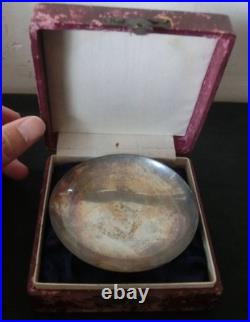
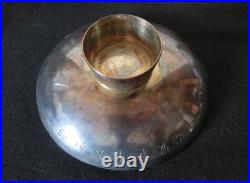
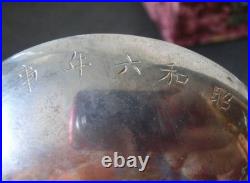
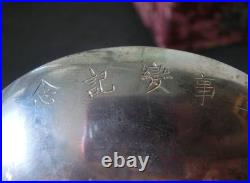
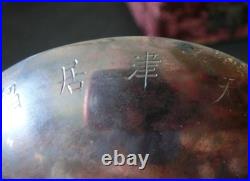
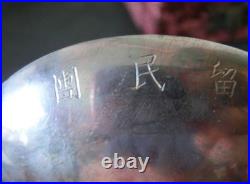
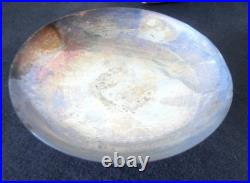
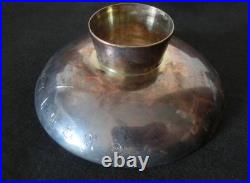
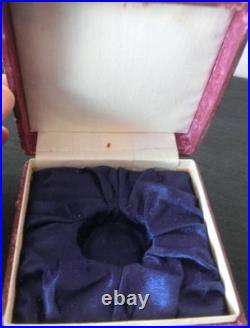
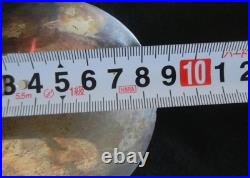

The rim of the cup is engraved with: Silver Cup – Commemoration of the 1931 Incident – Japanese Residents’ Association in Tianjin. The “Incident” of Showa 6 (1931) refers to the Manchurian Incident, a turning point in world history. 1?? What is it? This is a silver ceremonial sake cup, produced by the Japanese Residents’ Association in Tianjin, China, to commemorate the outbreak of the Manchurian Incident. Comes with its paulownia wood presentation box. A rare artifact reflecting its era. On September 18, 1931, the Mukden (Liutiaohu) Incident triggered the full-scale occupation of Manchuria by the Kwantung Army. At a time when the world was shaken by the Great Depression, Japan sought resources and territorial expansion on the Asian continent. The inscription mentions Tianjin, which at the time was home to a Japanese settlement. Many Japanese nationals lived there, making it a center for commerce and diplomacy. The residents there commissioned this cup to celebrate and remember Japan’s military success. It was created and distributed by the Japanese Residents’ Association of Tianjin, a self-governing body of Japanese expatriates. This organization supported the lives of the Japanese community abroad while aligning with Japan’s national policies. In Japanese culture, the sake cup (sakazuki) has never been just a drinking vessel. Samurai pledging brotherhood and loyalty. Prayers for victory and prosperity. Commemoration of great events and milestones. Thus, this silver cup is not a mere souvenir. It is a symbol of solidarity, representing how the Japanese residents in Tianjin aligned themselves with Japan’s military actions and engraved their role in history. It was most likely financed through contributions from the residents’ association, with production numbers being very limited. Due to wartime destruction and the postwar chaos, very few of these survive today. Items directly tied to the Manchurian Incident are especially valuable as historical artifacts. This silver commemorative cup was made by Japanese expatriates in Tianjin to mark the beginning of the Manchurian Incident in 1931. It embodies early Showa-era international relations, the presence of Japanese overseas communities, and the cultural symbolism of the sake cup in Japan. In other words, it is a piece of history you can hold in your hands. A valuable addition to historical collections. A primary source for research on the Manchurian Incident or early Showa foreign policy. A cultural symbol of the Japanese relationship with the sake cup. Approximate 7-21days(To USA).