
Antique Imperial Japanese Aviation Flight School Twin Engine Airplane Ashtray

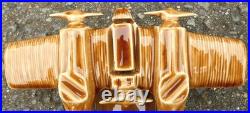
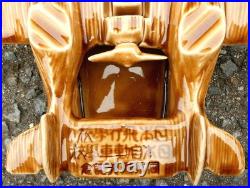
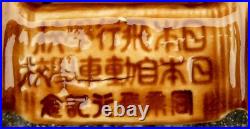

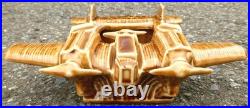
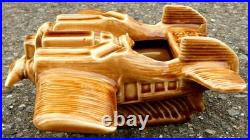
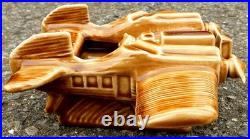

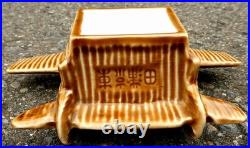

When Flying Was Still an Extraordinary Adventure Today, flying across the world is something many people take for granted. But approximately 100 years ago, boarding an airplane in Japan was an extraordinary experience. This fascinating antique ceramic ashtray commemorates that remarkable era in Japanese aviation history. Beautifully shaped like a twin-engine airplane, it features two propellers, broad wings, intricate details, and a rich brown glaze. More importantly, its Japanese inscriptions reveal a story that goes far beyond its unusual appearance. The Inscriptions Tell the Story The following Japanese inscriptions appear on the piece: – Japan Flying School An early Japanese aviation school involved in training pilots during the pioneering years of flight. Japan Automobile School An automobile training institution historically connected with the Japan Flying School. Commemorating a Passenger Flight This inscription indicates that the piece was created to commemorate the experience of flying aboard an airplane. Kamata, Tokyo A district of Tokyo associated with the schools’ early aviation activities. Together, these inscriptions connect the ashtray to a specific place, two educational institutions, and the unforgettable experience of early flight. Dating the Piece: Japan’s Aviation Pioneering Years The Japan Flying School was originally established in 1917. In 1921, aviation training became associated with the Japan Automobile School in Kamata, Tokyo. A training facility was subsequently established at Tachikawa Airfield in 1923. Because this ashtray bears the names of both schools and the location “Tokyo Kamata, ” it may date from the 1920s, particularly the late Taisho to early Showa period. The exact manufacturing date remains unknown. Imagine Seeing Japan from the Sky for the First Time Imagine stepping aboard an airplane at a time when flying was still a rare adventure. The propellers begin to turn. Then, suddenly, the ground falls away. The streets, houses, rivers, and fields of Japan appear below in a way few people had ever experienced. For someone taking a commemorative passenger flight, it may have been an unforgettable day. This little ceramic airplane preserves a connection to that remarkable experience. From Civil Aviation to Aviation History Early civilian flying schools played an important role in developing Japan’s aviation knowledge and training future pilots. During the following decades, aviation became increasingly important to both civilian transportation and military development. Although this ashtray is not identified as military-issued equipment, it represents an interesting chapter in the history of Japanese aviation before World War II. Details & Condition Antique Japanese ceramic airplane-shaped ashtray Twin-engine aircraft design with two propellers Brown glazed finish Inscriptions identifying Japan Flying School and Japan Automobile School Commemorative passenger flight inscription “Kamata, Tokyo” location marking Likely associated with the early decades of Japanese aviation Exact manufacturing date and aircraft model are unknown Please carefully examine the photographs for the condition and details. A Small Piece of Aviation History This is more than a decorative ceramic airplane. It preserves the names of two schools, a place in Tokyo, and the memory of a time when taking to the skies was something truly extraordinary. Nearly a century later, that sense of wonder remains. Own a Piece of History. International Buyers – Please Note.