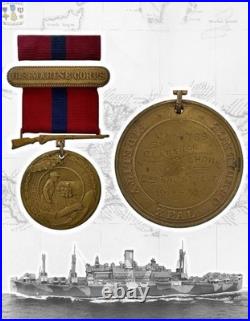
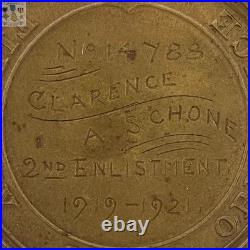
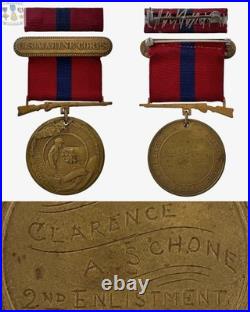
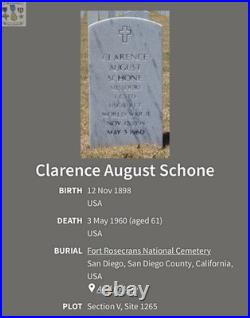
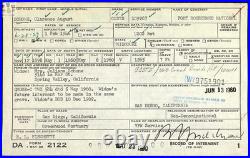
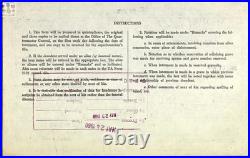
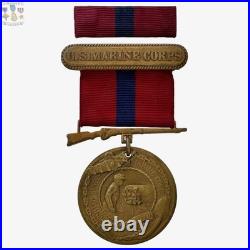
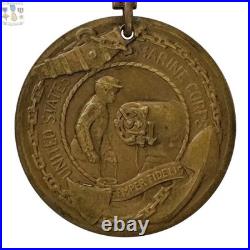
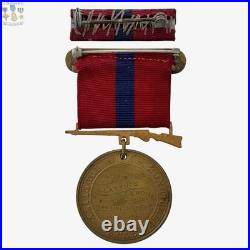
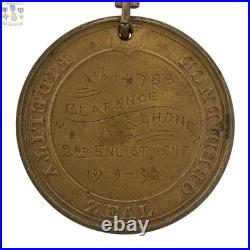
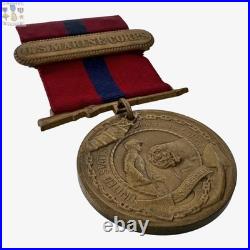
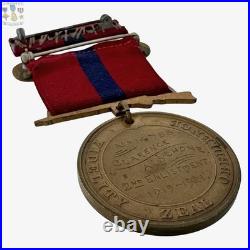
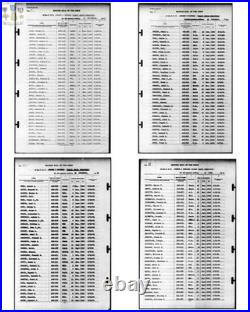
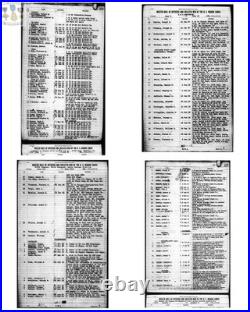
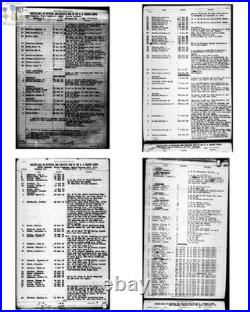
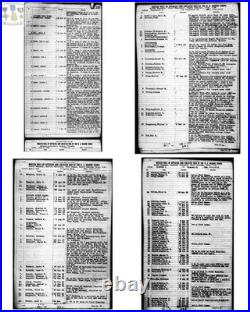
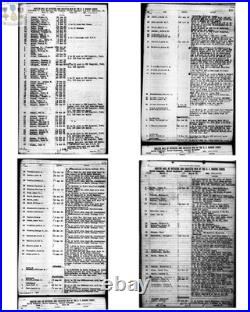
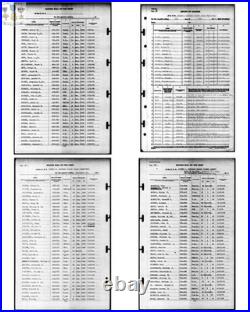
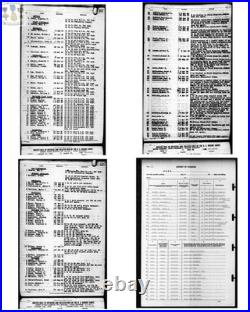
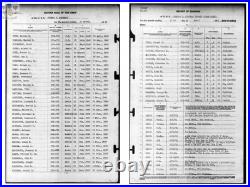
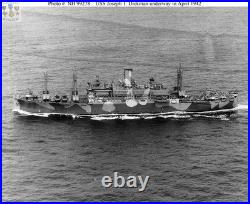
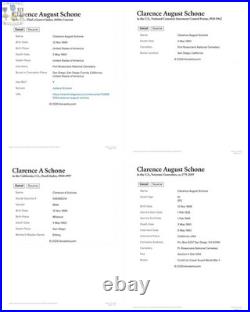
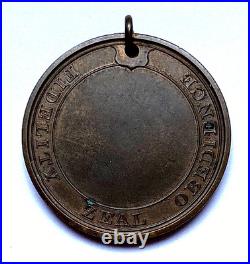
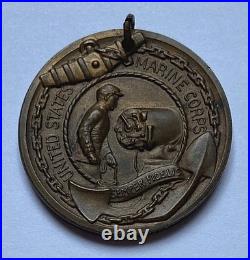
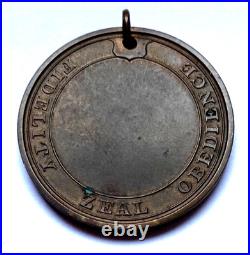
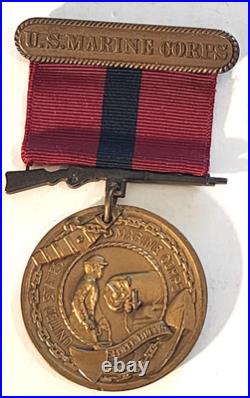
United States Marine Corps and Coast Guard Chief Clarence August Schone was born November 12th 1898 in Missouri. Clarence enlisted as a private in the U. Marines on December 3rd 1919. He received his basic training with Battalion “B”, at Training Station Marine Barracks, Parris Island, South Carolina. Schone served with the 115th Company, Third Regiment, Second Brigade in February 1920. He was then transferred to the 210th Company, 3rd Regiment and sailed aboard the U. Henderson to serve at the National Sanitarium in Santo Domingo City, Dominican Republic. He remained with the 210th Company until October 1920 when he was temporarily transferred to the 185th Company, serving in Azua, Dominican Republic. He was promoted to Private 1st class on December 31st 1920 and transferred back to the 210th Company. While serving stateside Pfc Schone was transferred to the Supply Company, 6th Regiment, Marine Barracks, Quantico, Virginia in August 1921. From October through December he served with the 80th Company, 81st Machine Gun Company, and 8th machine gun company, 6th Regiment, Marine Barracks, Quantico, Virginia. He was honorably discharged with character excellent on December 31st 1921 and issued Good Conduct Medal N? 14788. Clarence enlisted in the U. Coast Guard on June 28th 1929 (service N? 109-267). He served aboard the Large Cruising Cutter U. Perseus that was station in San Diego, California. The Perseus with Schone aboard served on the Bering Sea Patrol in 1940. Dickman on June 6th 1941. The new transport got underway June 26th 1941 for Hampton Roads, and until August she took part in amphibious training exercises off Onslow Beach, North Carolina. After these important landings, which helped develop the tactics and equipment to be used later with such great success, Joseph T. She then moved to Boston for further conversion, remaining there until October 1st 1941. Provisions were loaded at Norfolk in October, after which the transport proceeded to Halifax to load British troops. Dickman arrived Bombay via Trinidad and Capetown December 27th 1941 and debarked troops. Schone would be promoted to Chief Commissary Steward on July 10th 1942 as the Joseph T. Dickman would soon prepared for Operation “Torch”, the invasion of North Africa. As part of the Western Naval Task Force, Joseph T. Dickman got underway from Norfolk October 24th 1942 to take part in the first amphibious invasion ever launched across an entire ocean. Arriving in the transport area of Fedhala early on November 8th, she began the debarkation. She remained off shore until German submarine attacks forced her seaward November 12th. As the successful invasion was consolidated, Joseph T. Dickman entered Casablanca harbor, Morocco on November 15th and completed unloading. Two days later she was underway for Norfolk, arriving November 30th. After embarking troops and taking on cargo, Joseph T. Dickman departed December 27th 1942 for the Pacific via the Panama Canal. She stopped at Noumea and Brisbane before sailing for Norfolk again, where she arrived March 10th 1943. Chief Schone was transferred from the Joseph T. He was honorably discharged from the Coast Guard on February 1st 1946 after a 20 year dual service career. United States Marine & Coast Guard Chief Clarence August Schone passed away May 3rd 1960 at 61 years old. He is buried at the Fort Rosecrans National Cemetery in San Diego, California. I will include 49 full size color printed copies of the research presented. ORIGINAL 1920’S INTER-WAR PERIOD UNITED STATES MARINE CORPS GOOD CONDUCT MEDAL W/ PIN-BACK RIBBON BAR. RIBBON DRAPE TESTED U. Please let me know if there’s anything else I can do for you!
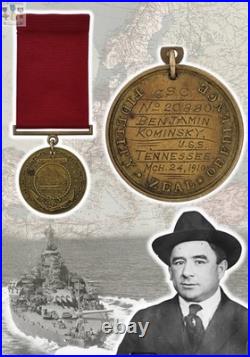
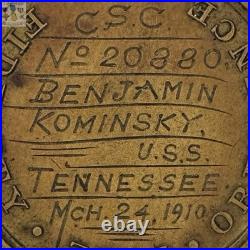
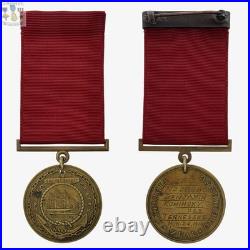
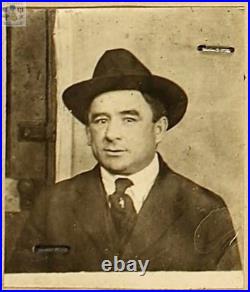
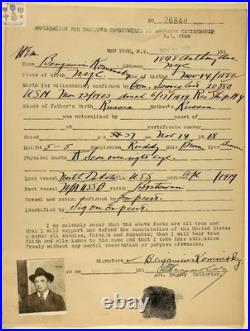
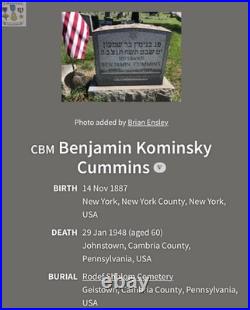
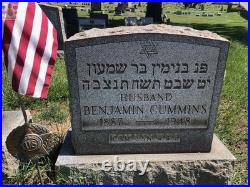
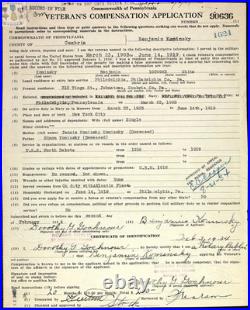
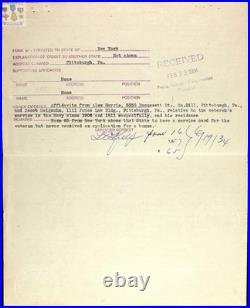
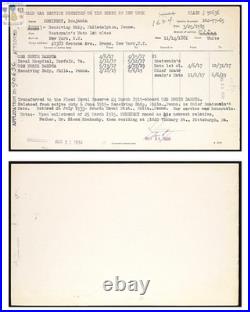
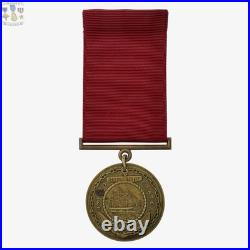
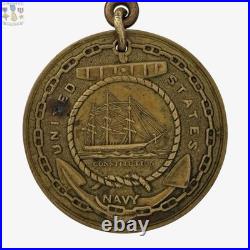
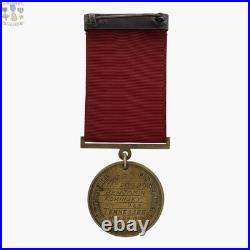
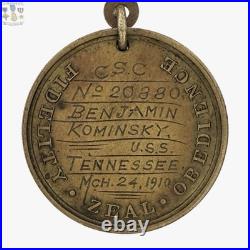
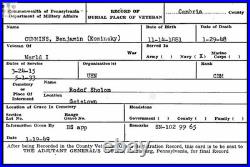
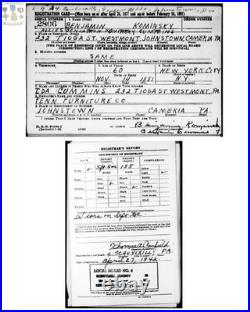
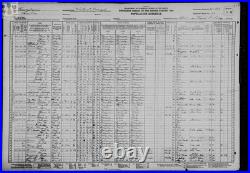
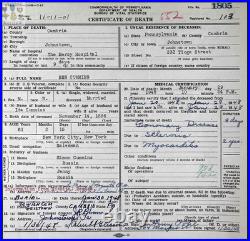
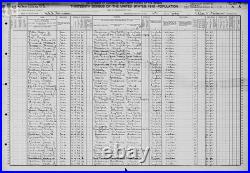
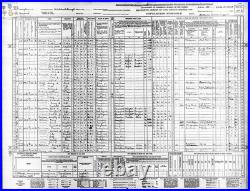
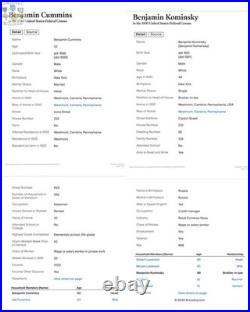
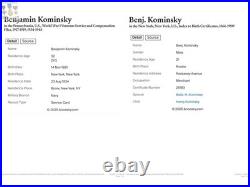
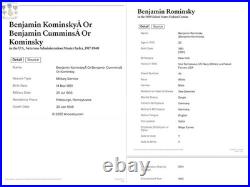
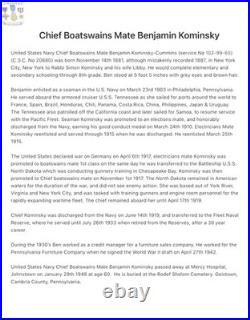
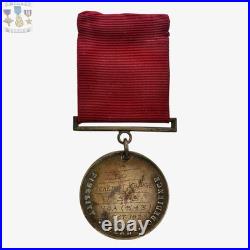
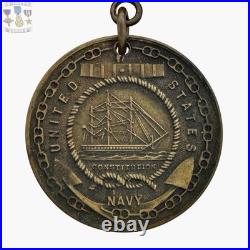
United States Navy Chief Boatswains Mate Benjamin Kominsky-Cummins (service N? 102-99-65) C. N? 20880 was born November 14th 1881, although mistakenly recorded 1887, in New York City, New York to Rabbi Simon Kominsky and his wife Libby. He would complete elementary and secondary schooling through 8th grade. Ben stood at 5 foot 5 inches with grey eyes and brown hair. Benjamin enlisted as a seaman in the U. Navy on March 23rd 1903 in Philadelphia, Pennsylvania. He served aboard the armored cruiser U. Tennessee as she sailed for ports around the world to France, Spain, Brazil, Honduras, Chili, Panama, Costa Rica, China, Philippines, Japan & Uruguay. The Tennessee also patrolled off the California coast and later sailed for Samoa, to resume service with the Pacific Fleet. Seaman Kominsky was promoted to an elections mate, and honorably discharged from the Navy, earning his good conduct medal on March 24th 1910. Electricians Mate Kominsky reenlisted and served through 1915 when he was discharged. He reenlisted March 25th 1915. The United States declared war on Germany on April 6th 1917, electricians mate Kominsky was promoted to boatswains mate 1st class on the same day he was transferred to the Battleship U. North Dakota which was conducting gunnery training in Chesapeake Bay. Kominsky was then promoted to Chief boatswains mate on November 1st 1917. The North Dakota remained in American waters for the duration of the war, and did not see enemy action. She was based out of York River, Virginia and New York City, and was tasked with training gunners and engine room personnel for the rapidly expanding wartime fleet. The chief remained aboard her until April 17th 1919. Chief Kominsky was discharged from the Navy on June 14th 1919, and transferred to the Fleet Naval Reserve, where he served until July 26th 1933 when retired from the Reserves, after a 30 year career. During the 1930’s Ben worked as a credit manager for a furniture sales company. He worked for the Pennsylvania Furniture Company when he signed the World War II draft on April 27th 1942. United States Navy Chief Boatswains Mate Benjamin Kominsky passed away at Mercy Hospital, Johnstown on January 29th 1948 at age 60. He is buried at the Rodef Sholom Cemetery. Geistown, Cambria County, Pennsylvania. I will include 20 full size color printed copies of the research presented. UNITED STATES NAVY GOOD CONDUCT MEDAL W/ REPLACED OPEN “C” CATCH FULL WRAP BROOCH. N? 20880 BENJAMIN KOMINSKY U. RE-RIBBONED DRAPE TESTED U. Please let me know if there’s anything else I can do for you!
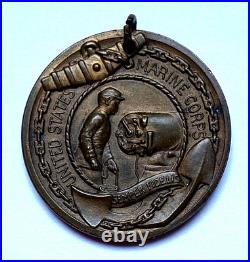
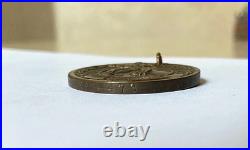
MARINE CORPS GOOD CONDUCT MEDAL w/ LOW NUMBER #24473. Marine Corps Good Conduct Medal (GCMs) had rim numbers when issued by the Marine Corps. The war, primarily in. These medals, stamped on the edge (numbers 20,000-50,000+), were awarded for excellent service between April 1917 and November 1918. LACKING RIBBON AND SUSPENCION BARS. THIS IS NOT A REPRODUCTION.
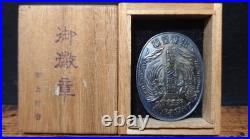
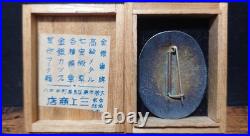
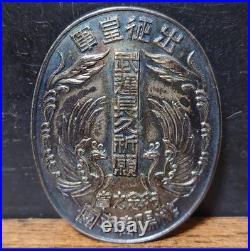
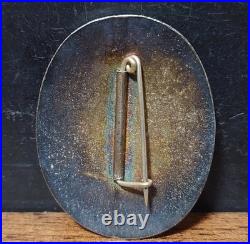
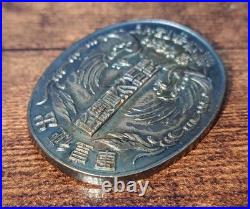
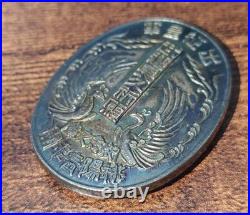
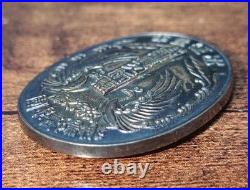
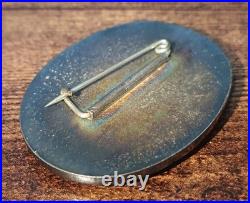
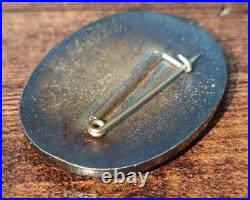
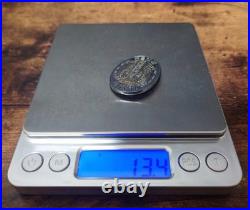
This is a rare pre-war Imperial Japanese “Good Luck in Battle” commemorative badge. Presented by the Toyo Youth Group (Toyo Seinen-dan) to a local soldier who was leaving for the front. What the inscriptions say. “Shusse Kogun” – “Departing Imperial Soldier”. “Bu’un Chokyu Kigan” – “Prayer for Long-Lasting Good Fortune in Battle”. “Toyo Seinen-dan Kinen-zo” – “Presented by the Toyo Youth Group”. The badge features two phoenixes, a traditional symbol of protection, rebirth, and auspicious fortune. What was the Youth Group (Seinen-dan)? The Seinen-dan was a pre-war local youth organization in every village and town in Japan. They supported community events and, importantly, organized send-off ceremonies for soldiers. Members would create and present items like this badge to wish for. Long-lasting fortune in battle. And to show the community’s support. This makes the badge not only a military item but a deeply personal community artifact. 3.5 cm tall. Weight: 13.4 g. Material: silver-tone metal (possibly silver, not tested). Condition: Light aging, very good for its age. Comes with original wooden box and the maker’s paper label (rare). A valuable piece for collectors of Imperial Japanese militaria, pre-WWII youth organizations, and historical badges. International Buyers – Please Note. Thank you for your understanding.
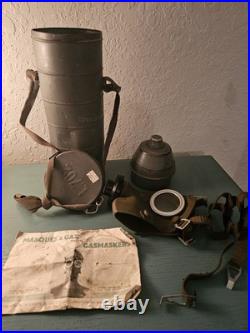
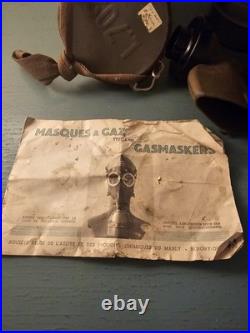
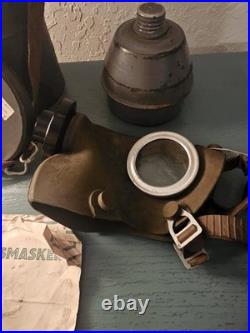
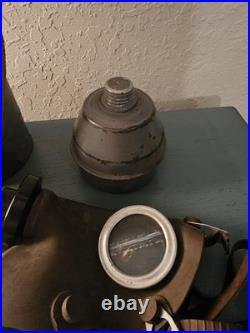
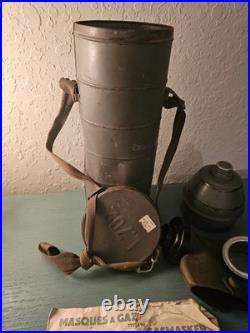
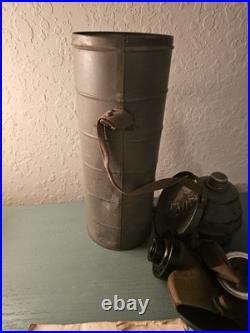
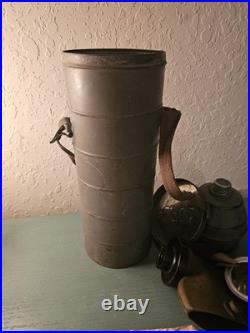
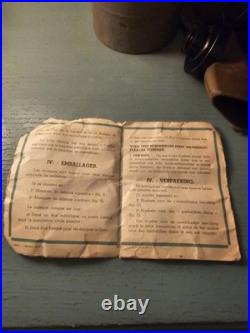
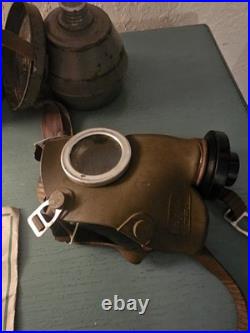
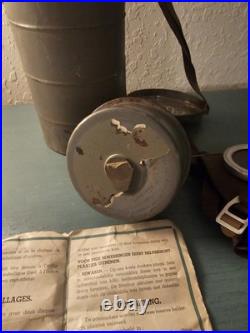
Very rare, complete 1938 item! This particular example was evidently sent to Finland for use by either thier army or distributed for civilian use- that part of its history is unfortunately lost. Doesn’t appear to ever have been used, and is complete with carrying cannister, mask with screw- on filter, and original insert. There are a couple small dents to cannister, and minor wear to original finish of pieces, but all is sound and overall very good. Please see pics for further description and condition.
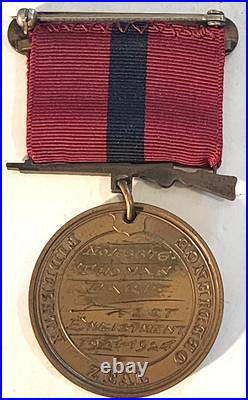
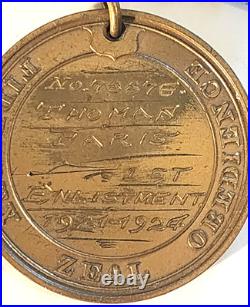
This medal has some wear from normal use. It is named to THOMAS PARIS 1ST ENLISTMENT NO. (Please see photos for more details). Additional photos available upon request. Please specify details you would like to see more clearly. Most items not sent internationally.
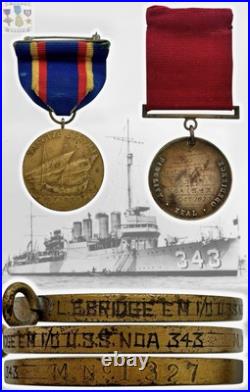
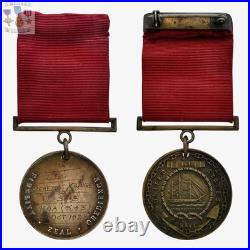
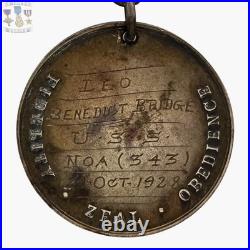
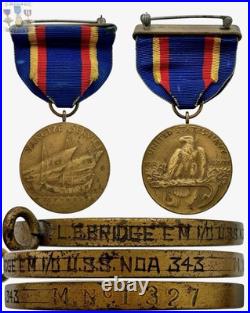
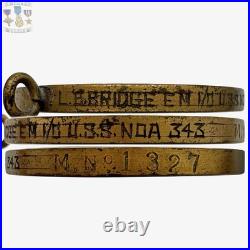
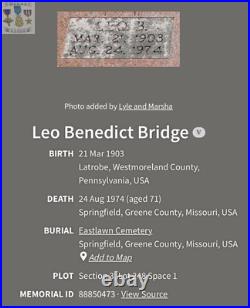
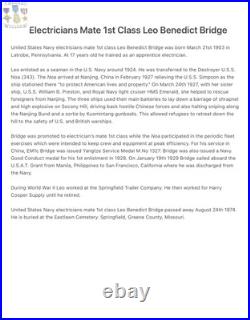
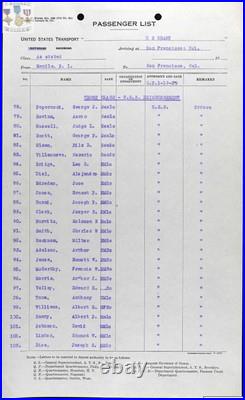
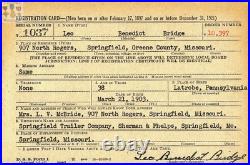
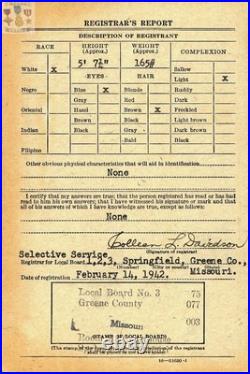
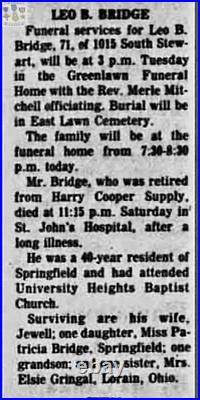
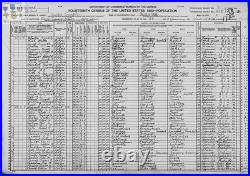
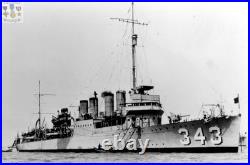
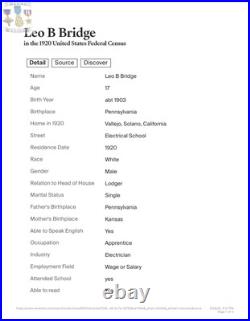
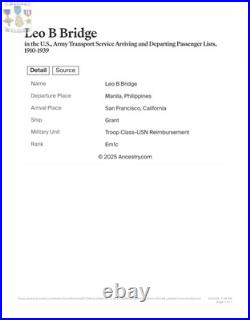
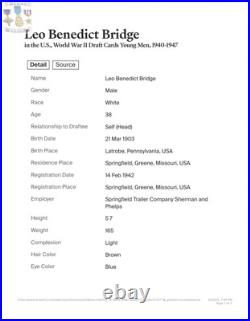
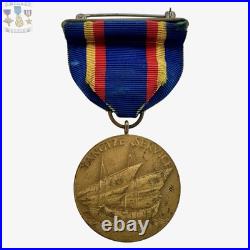
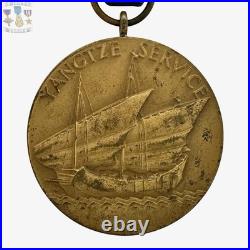
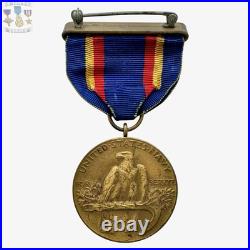
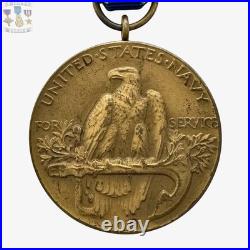
United States Navy electricians mate 1st class Leo Benedict Bridge was born March 21st 1903 in Latrobe, Pennsylvania. At 17 years old he trained as an apprentice electrician. Leo enlisted as a seaman in the U. He was transferred to the Destroyer U. The Noa arrived at Nanjing, China in February 1927 relieving the U. Preston, and Royal Navy light cruiser HMS Emerald, she helped to rescue foreigners from Nanjing. This allowed refugees to retreat down the hill to the safety of U. Bridge was promoted to electrician’s mate 1st class while the Noa participated in the periodic fleet exercises which were intended to keep crew and equipment at peak efficiency. For his service in China, EM1c Bridge was issued Yangtze Service Medal M. Bridge was also issued a Navy Good Conduct medal for his 1st enlistment in 1928. On January 19th 1929 Bridge sailed aboard the U. Grant from Manila, Philippines to San Francisco, California where he was discharged from the Navy. During World War II Leo worked at the Springfield Trailer Company. He then worked for Harry Cooper Supply until he retired. United States Navy electricians mate 1st class Leo Benedict Bridge passed away August 24th 1974. He is buried at the Eastlawn Cemetery. Springfield, Greene County, Missouri. (I will include 12 full size color printed research documents as presented). ORIGINAL 1920’S NAVY GOOD CONDUCT MEDAL W/ FULL WRAP BROOCH. LEO BENEDICT BRIDGE U. NOA (343) 10 OCT. ORIGINAL UNITED STATES NAVY YANGTZE SERVICE CAMPAIGN MEDAL W/ FULL WRAP BROOCH. PRODUCED BY THE U. RIBBON DRAPES TESTED U. Please let me know if there’s anything else I can do for you!
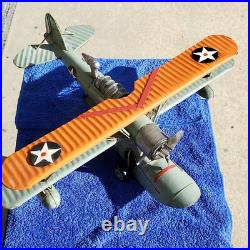
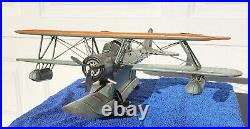
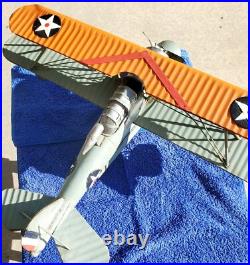
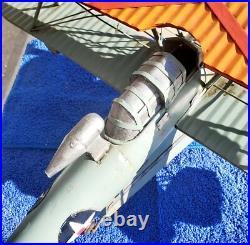
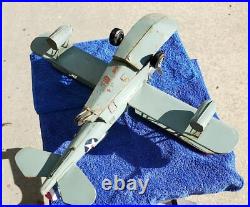
On offer is a rare vintage sheet metal model of the Grumman JF-1 “Duck” amphibious biplane combat aircraft. The actual aircraft was used by the U. Military between 1934 and 1936 before the J2F-1 “Duck” was produced. 48 JF-1 aircraft were made. This model is in very good condition with minor surface corrosion on the bottom of the hull. The retractable landing gear is extended. Model has a 21″ wingspan and is 16″ long. Would make a great addition to any vintage aviation model display.
OLD VINTAGE CZECHOSLOVAK ARMY HELMET M29 / GERMAN TYPE / GOOD CONDITION. Rare Czechoslovak Army helmet M29. This model was designed in two variations: with decorative crest (of French Adrian style) and with 2×7 holes airvents (of German style) – this type. In good (used) condition to its age and history, original state, patina. Leather liner and leather chin strap – both in good condition. Rare variant – type with 2×7 holes airvents (German type).